
Last updated November 18, 2026
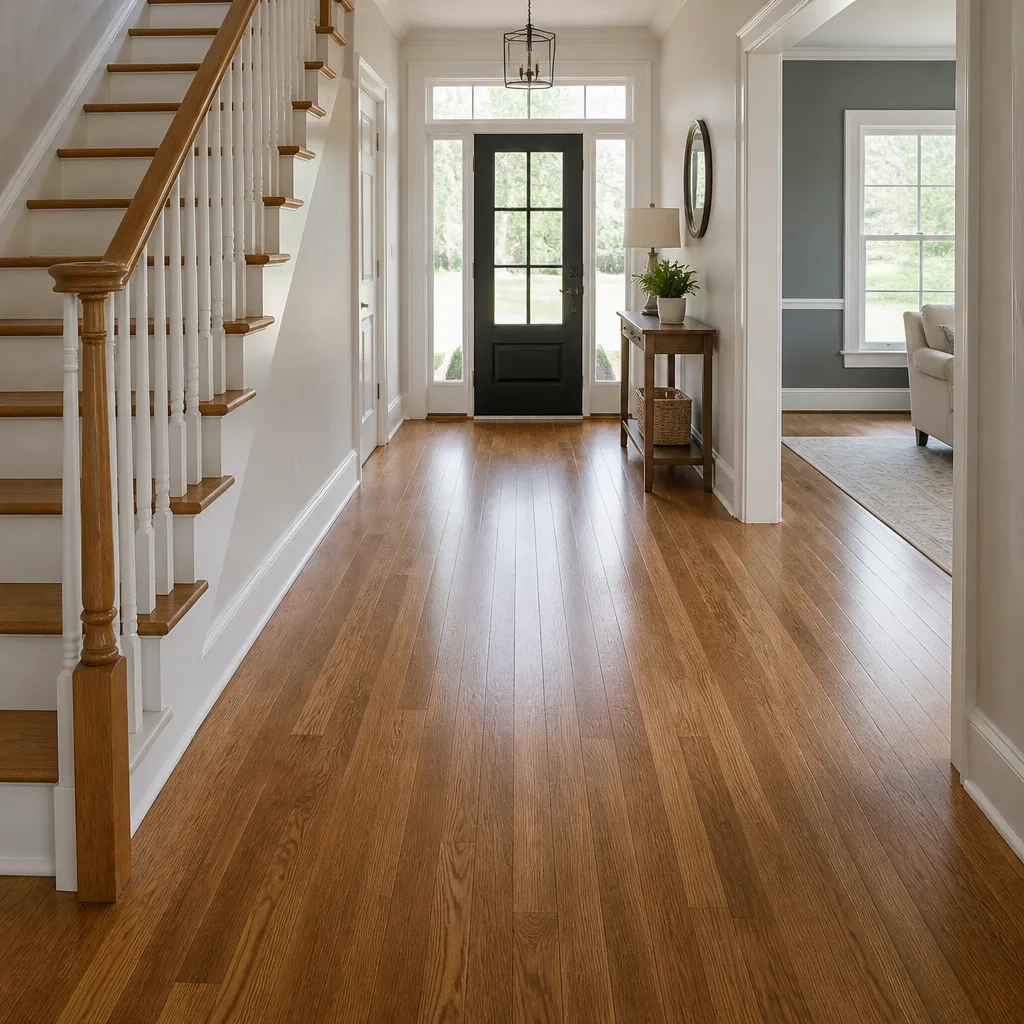 Hardwood
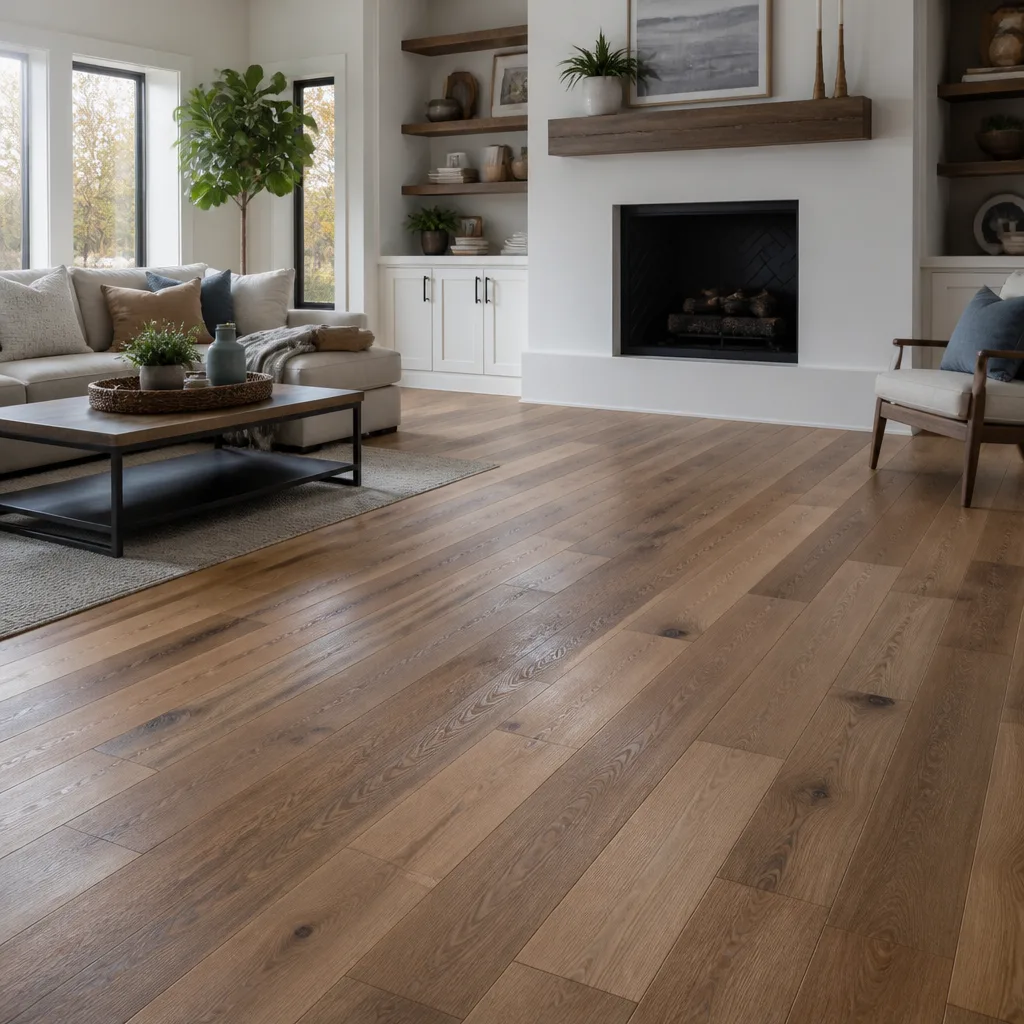 Engineered hardwood
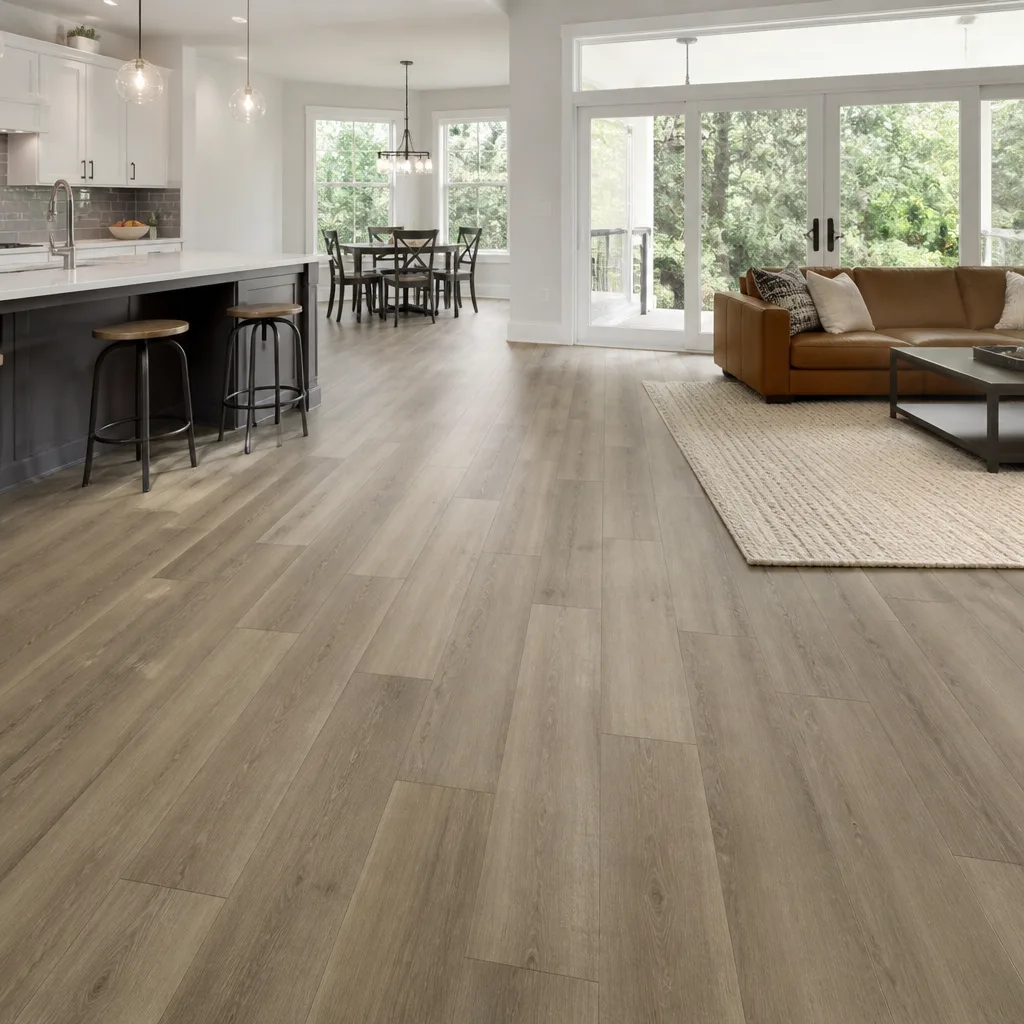 Luxury vinyl plank
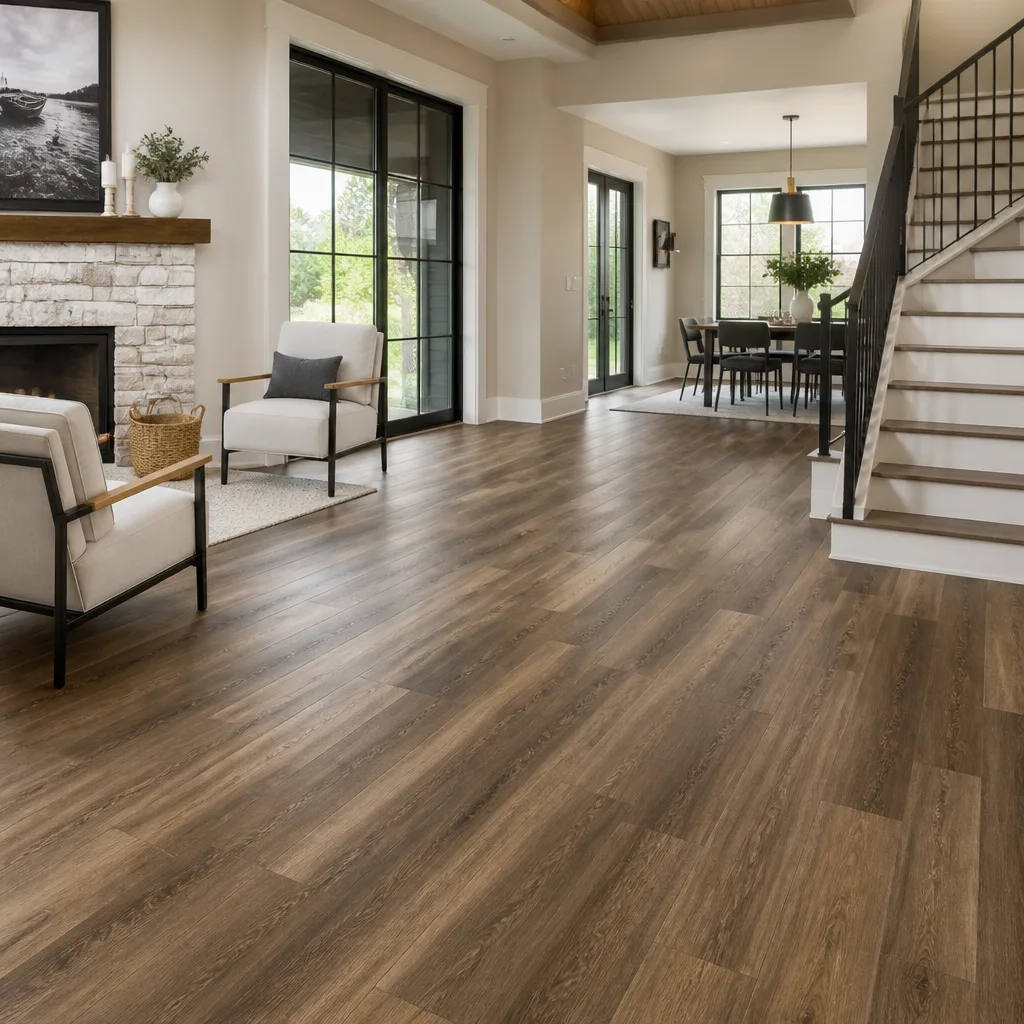 Laminate
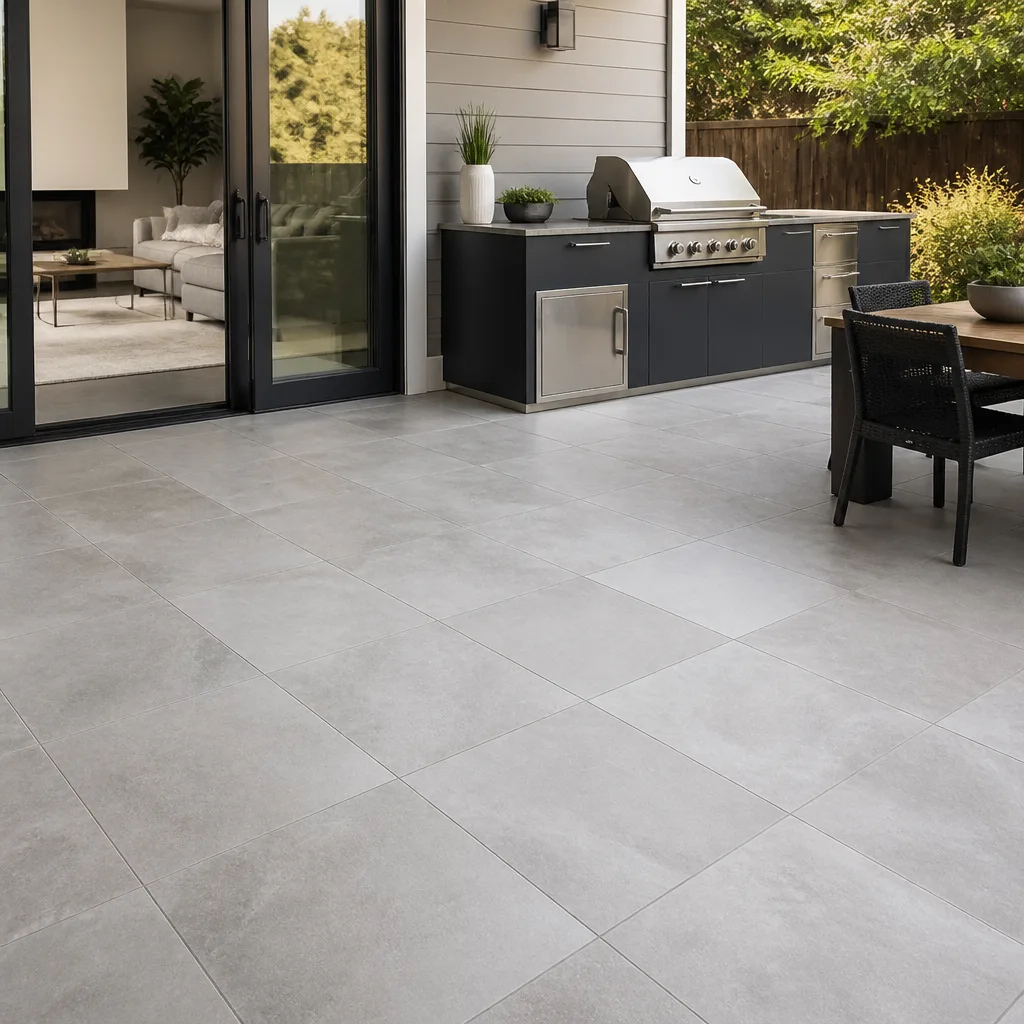 Porcelain tile
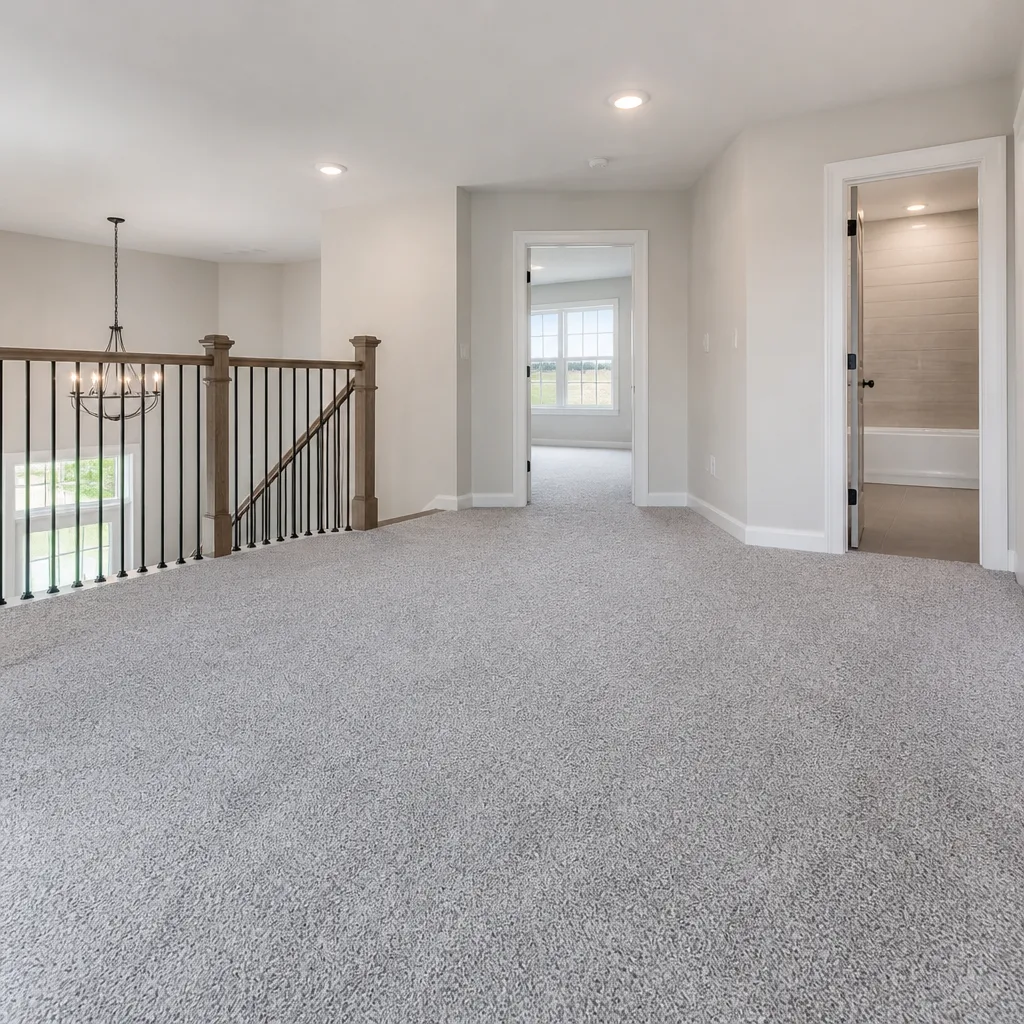 Carpet
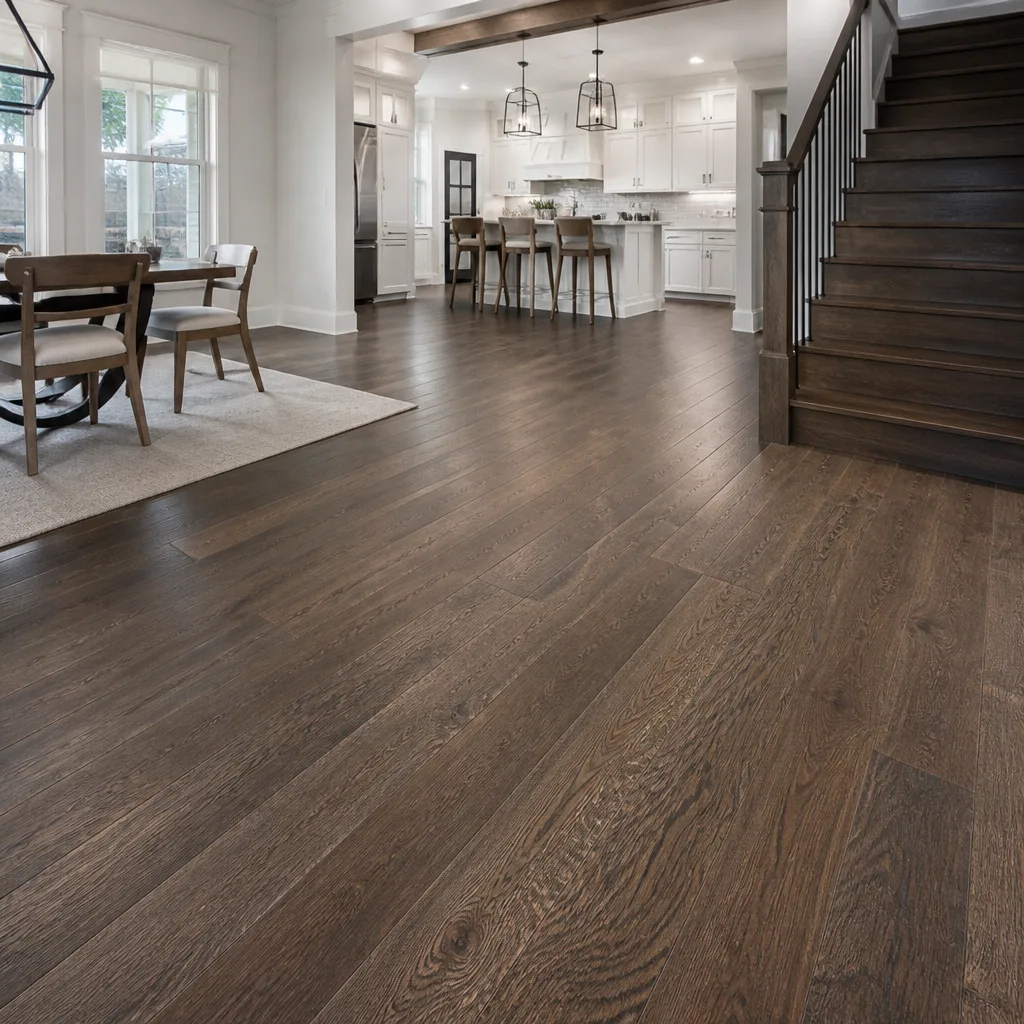 Shaw
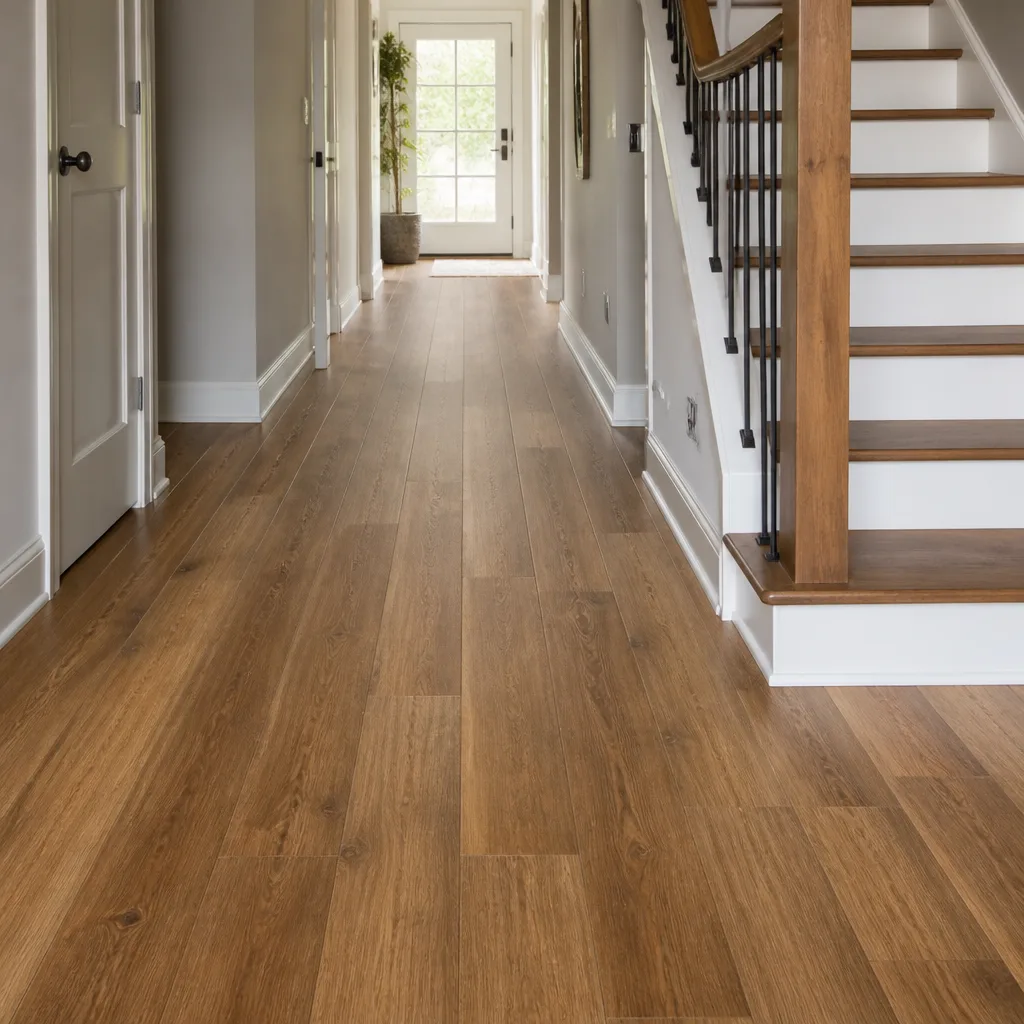 Mohawk
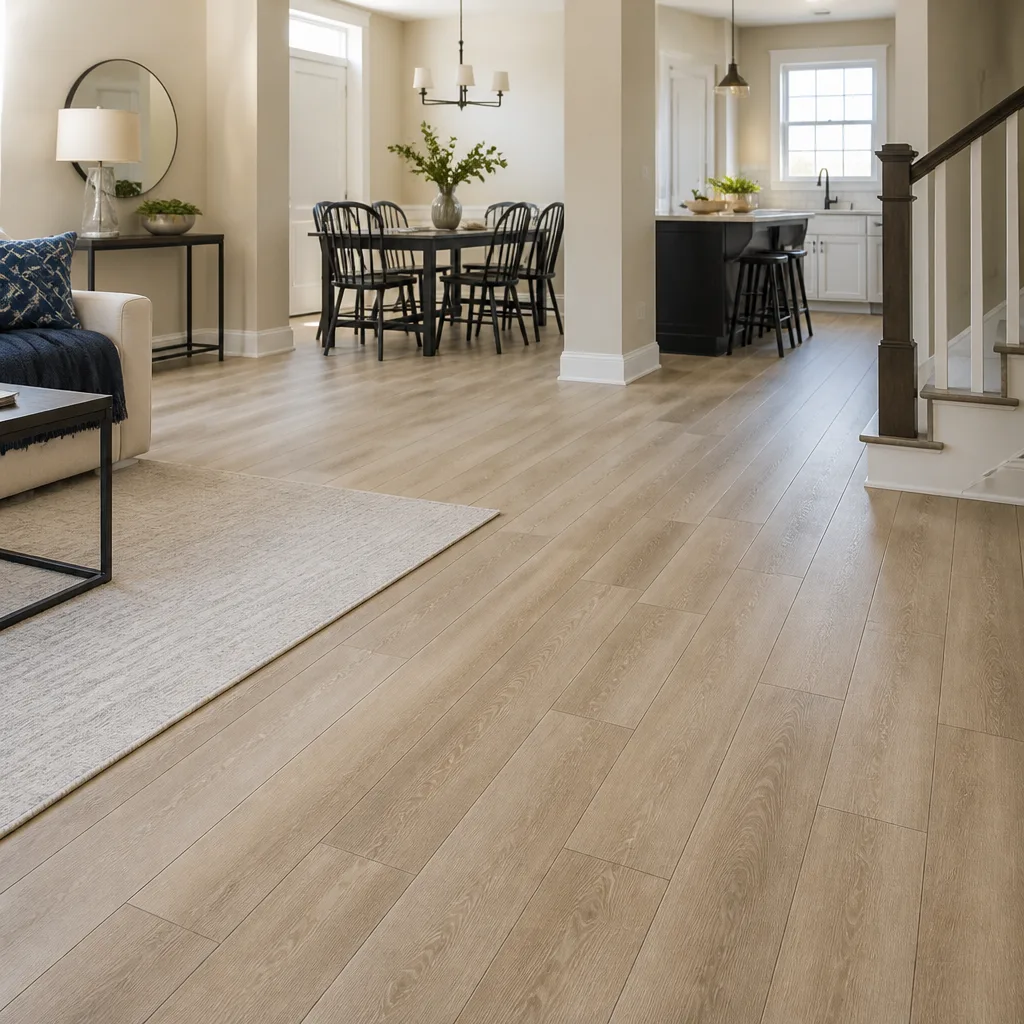 COREtec
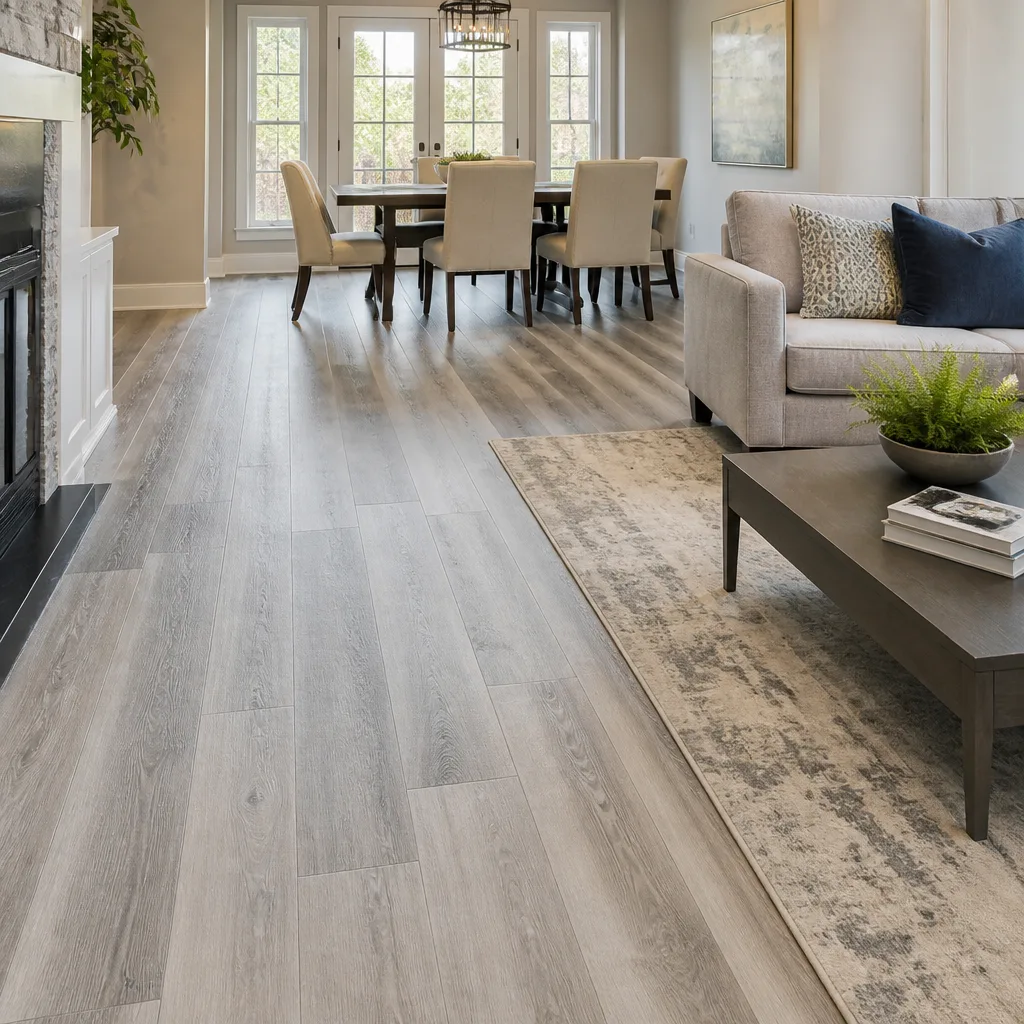 Pergo
Free in-home measure and written estimate: Shaw, Mohawk, COREtec and Pergo lines compared on your own rooms, with carpet, tile, vinyl plank, laminate and hardwood laid out side by side
Get your free estimateHow Sunrise Manor’s Climate Can Affect Your Flooring Choice
Most flooring guides hand you a list of materials and tell you to pick the prettiest one that fits the budget. That advice falls apart in Sunrise Manor. Homes here sit on concrete slabs under a desert sun that pushes interior surface temperatures high through the summer, then drops fast overnight. Add the brief July and August monsoon moisture spikes, and you get a stress pattern that eliminates several popular flooring options before you ever reach a showroom. A floor that looks perfect on a sample board can cup, gap, or lift within a couple of seasons if it wasn’t built for this environment. In this guide we’ll explain the thermal and moisture mechanics behind that, break down which materials handle the cycling best and why, and give you an acclimation protocol so your installation starts on solid ground.
Quick Answer
The best flooring for the Sunrise Manor, Nevada climate is a material engineered for thermal cycling and vapor fluctuation, not heat alone: luxury vinyl plank with wide temperature tolerances, porcelain tile with low thermal expansion, and carpet in bedrooms where slab temperature swings matter less. Solid hardwood and thin laminate are the riskiest choices on a slab-on-grade home because they respond to both dry-heat contraction and monsoon humidity uptake. The floor that lasts here is the one matched to your subfloor type, your shade exposure, and a proper acclimation period before installation.
Styles & brands we work with
- Hardwood
- Engineered hardwood
- Luxury vinyl plank
- Laminate
- Porcelain tile
- Carpet
- Shaw
- Mohawk
- COREtec
- Pergo
Table of Contents
- The Two-Phase Climate Threat: Dry Heat vs. Monsoon Humidity
- Why Slab-On-Grade Construction Changes Everything
- The Thermal Swing: What Actually Happens to a Floor
- Which Flooring Categories Handle Thermal Cycling Best
- The “It Works Fine in Phoenix” Fallacy
- The Acclimation Protocol Sunrise Manor Homes Need
- Room-by-Room: Matching Material to Exposure
- Common Mistakes to Avoid
- When to Call a Professional
The Two-Phase Climate Threat: Dry Heat vs. Monsoon Humidity
Most homeowners think about desert flooring in one dimension: it’s hot, so pick something heat-resistant. That’s half the picture. The real threat in Sunrise Manor comes in two phases that pull materials in opposite directions within the same year.
Phase one is the long dry stretch. From late spring through early summer, relative humidity indoors can sit very low while slab and surface temperatures climb. Wood-based products lose moisture and contract. Planks that were tight in spring can open at the seams by July. Adhesives that were fine at installation can soften under sustained heat on a sun-exposed slab.
Phase two is the monsoon window, roughly July into August. Humidity spikes fast, and wood-based floors that spent weeks drying out suddenly take on moisture. They swell. A floor that gapped in June can now cup at the edges or press against walls. Then the dry air returns and the cycle reverses.
That back-and-forth is the part most guides skip. A material that handles heat is not automatically a material that handles cycling. Sunrise Manor homes get both phases every year, which means your flooring choice has to survive the transition, not just the peak.
- Dry season stress: contraction, gapping, adhesive softening, edge lifting on poorly bonded planks.
- Monsoon stress: swelling, cupping, seam pressure, trapped vapor under impermeable surfaces.
- The dangerous part: the reversal between the two, repeated season after season.
Why Slab-On-Grade Construction Changes Everything
Most tract homes in Sunrise Manor sit on concrete slabs poured at grade, and that single fact reshapes how every flooring decision plays out. A wood-framed subfloor with a crawlspace or basement below it buffers temperature and moisture differently than a slab that’s in direct contact with the ground and the sun outside.
A slab-on-grade floor stores heat through the day. It also wicks moisture from the soil beneath it, and that vapor has to go somewhere. Under a floating floor it can get trapped. Under an adhesive-down floor it can attack the bond.
This is the core reason the installation method matters as much as the material:
- Adhesive-down installations bond directly to the slab. They handle heat transfer well and feel solid underfoot, but they demand a slab that’s clean, sound, and within the moisture limits the adhesive and product specify. Those limits come from the product instructions and the written estimate, not from a rule of thumb.
- Floating installations sit over a vapor barrier and underlayment, which helps isolate the floor from slab moisture. They’re faster and more forgiving of minor slab variation, but the floor moves as a unit, so expansion gaps at the perimeter have to be right or the whole field can buckle.
- Direct-glue and mortar-set tile turn the slab and floor into one rigid assembly, which is why tile handles slab heat better than almost anything else when the prep is right.
None of this is guesswork at the estimate stage. A proper assessment checks the slab’s condition, any signs of moisture, and how the room is oriented to the sun before anyone recommends a product. That’s how we approach it here in Sunrise Manor: the subfloor decides more of the answer than the color palette does.
The Thermal Swing: What Actually Happens to a Floor
Interiors in the Las Vegas Valley regularly reach 90°F and above on unshaded slabs through summer, then cool sharply overnight. That daily swing is where the real engineering story lives. Solid hardwood can move measurably in width across that range, and even engineered products expand and contract enough that the installer has to plan for it.
Think about what a floor is doing all day. On a west-facing room, the slab absorbs heat and pushes it up through the floor. The surface expands. Overnight, the air cools, the slab sheds heat, and the floor contracts. Do that hundreds of times a season and any weakness in the material, the adhesive, or the acclimation gets exposed.
This is why “it’s rated for heat” isn’t a complete spec. Here’s what we actually look at:
- Thermal expansion coefficient: how much the material grows and shrinks per degree of temperature change. Porcelain tile is low; that’s a materials property, not a marketing claim.
- Dimensional stability under humidity: how much a wood-based or composite product reacts to moisture swings, especially the monsoon spike.
- Adhesive and underlayment tolerance: whether the system holding the floor down handles heat cycling without softening or releasing.
- Color and sun exposure: darker floors in sun-hit rooms run hotter at the surface, which amplifies everything above.
Our technicians have up to 14 years of experience reading these signals on actual slabs, and the difference between a floor that lasts a decade and one that cups or gaps within two years usually comes down to matching the material and the installation method to the specific room’s exposure.
Which Flooring Categories Handle Thermal Cycling Best
Luxury vinyl plank, porcelain tile, and quality carpet handle the Sunrise Manor thermal cycle best, each for a different engineering reason. Wood-based products can work, but they need the right subfloor, the right acclimation, and realistic expectations.
Here’s the breakdown by category, with the why behind each:
- Luxury vinyl plank (COREtec, LifeProof, Karndean): the core is engineered to tolerate wider temperature swings than solid wood, and the composite structure resists moisture uptake far better than a wood-based product. A water-resistant plank with a stable core is one of the most forgiving floors you can put on a slab here. Standing water and moisture from below still have to be dealt with, so this isn’t a free pass.
- Porcelain and ceramic tile (Daltile): low thermal expansion and no moisture uptake at all when properly set. Tile is the most dimensionally stable option in this climate. The weak point isn’t the tile; it’s the prep, the mortar, and the movement joints. Get those right and tile basically ignores the swing.
- Carpet (Shaw, Mohawk): soft flooring tolerates movement better than any rigid material because it has give. In bedrooms and lower-traffic rooms with less sun exposure, carpet sidesteps the thermal issue entirely. It’s also warmer underfoot on a cold slab in winter.
- Engineered hardwood: a cross-ply core makes it more stable than solid wood, and it can work well when the subfloor and moisture conditions are right. It still reacts to the monsoon spike, so it belongs in rooms where humidity is more controlled.
- Laminate (Pergo, Armstrong): modern laminate handles heat reasonably well, but wood-based cores still respond to moisture. On a slab it needs a proper vapor barrier and an expansion gap done correctly, and it’s best kept out of rooms with the sharpest sun and humidity swings.
- Solid hardwood: the least forgiving choice on a slab-on-grade home in this climate. It moves the most with the thermal and moisture cycle. We’ll install it where conditions are right, but we’ll tell you straight when they’re not.
The “It Works Fine in Phoenix” Fallacy
You may read that a floor performs beautifully in Phoenix and assume it’ll behave the same in Sunrise Manor. Sometimes it will. Often it won’t, and the reason is construction, not brand names.
Coastal desert and inland valley climates both get heat, but the homes and the microclimates differ. Sunrise Manor’s residential stock leans heavily toward slab-on-grade tract construction with limited shade on the west and south exposures. A floor installed over a shaded, well-buffered subfloor in a different desert city meets a gentler thermal cycle than the same floor on a sun-hit slab here. Add the monsoon humidity window and the picture shifts again.
So the question isn’t “does this floor work in a desert?” It’s “does this floor work on a slab in a low-shade Sunrise Manor home that sees a full daily temperature swing?” Those are different tests, and the product that passes one may not pass the other.
What we ask before recommending anything:
- What’s under the floor: slab at grade, or framed subfloor?
- How much direct sun hits the room, and for how long each day?
- Is that room humidity-controlled, or does it see the full monsoon swing?
- What did the climate at the product’s reference install actually look like?
This is why a local estimate visit matters more than a showroom photo. The Sunrise Manor climate profile is specific enough that a national recommendation doesn’t transfer cleanly.
The Acclimation Protocol Sunrise Manor Homes Need
Acclimation is the step most DIY installations skip and the reason a lot of warranty claims get denied in high-heat zones. Before any floor goes down, the material needs to sit in the home at the conditions it will live in, so it stabilizes before installation locks it in place.
The exact time depends on the product and the home. The product instructions and the written estimate set the specifics, and we follow those, not a generic number. But the protocol looks like this:
- Deliver the material into the home and let it sit in the rooms where it will be installed, not in a garage or a hot truck bed.
- Get the interior to its normal living conditions. If the home is air-conditioned, the AC should be running normally before acclimation starts. A house at 100°F during acclimation is not the same test as a house at living temperature.
- Open the packaging as the product instructions direct. Some products need air circulation; others don’t. Follow the label.
- Give it the time the manufacturer specifies. Wood-based products generally need more than vinyl or tile. The product instructions are the authority; your estimate should confirm them.
- Check before installing. Slab moisture, flatness, and clean conditions get verified at this stage, because acclimation doesn’t fix a wet slab.
Skipping or rushing this step is where floors that “should have worked” fail. In a climate with this much thermal cycling, an unacclimated floor moves after installation instead of before it. That’s exactly the outcome acclimation exists to prevent.
If you’re planning a flooring installation in Sunrise Manor, the acclimation window is built into the schedule from day one, not squeezed in at the end.
Room-by-Room: Matching Material to Exposure
Not every room in a Sunrise Manor home faces the same stress, so the right answer changes from room to room. Thinking room-by-room is how you avoid overbuilding one space and underbuilding another.
- West- and south-facing living rooms: the hottest, most sun-exposed spaces. Tile or a stable luxury vinyl plank handles the daily swing best. Dark flooring in these rooms runs hotter at the surface, so consider lighter tones if you want to hedge.
- Bedrooms: less sun, more climate control. Carpet earns its place here for warmth underfoot and tolerance of movement. Quality carpet installation in a bedroom is a low-risk choice in this climate.
- Kitchens and bathrooms: moisture plus heat. Tile is the natural home for these rooms, and Daltile porcelain handles wet zones and slab heat without reacting.
- Hallways and entryways: high traffic and often a sun exposure on one side. A durable luxury vinyl plank like LifeProof or COREtec covers both.
- Whole-home projects: many homeowners mix materials, and that’s fine. A single flooring specialist handling the tile, the carpet, and the hardwood in one schedule keeps the acclimation windows and the sequencing consistent.
When you’re weighing a full-home refresh, tile flooring installation in the wet rooms paired with vinyl or carpet elsewhere is a common, climate-sensible combination we see work well.
Common Mistakes to Avoid
- Choosing by color first and climate second. A beautiful floor that isn’t built for slab-on-grade thermal cycling is a floor you’ll be replacing early. Start with the material and subfloor match, then pick the finish.
- Skipping acclimation to save a day. Rushed acclimation is the single most common cause of post-install gapping and cupping in this climate. The product instructions set the time; don’t negotiate with them.
- Assuming “heat-rated” means “cycle-rated.” A product that survives high heat may still fail the summer-to-monsoon moisture reversal. Ask about dimensional stability, not just temperature tolerance.
- Installing solid hardwood over a slab without checking conditions. In a low-shade Sunrise Manor home, the subfloor and exposure have to be verified before solid wood is even on the table. That check happens at the estimate.
- Skipping the vapor barrier under a floating floor. A floating floor directly on a slab without proper moisture isolation traps vapor under the planks. That’s how edges lift and seams fail.
- Leaving no expansion gap at the perimeter. Floors move. If the floor is pinned against the walls with no room to expand, it buckles in summer. The gap is planned, not an afterthought.
- Copying a recommendation from a different climate. A floor that works in Phoenix or a coastal desert city may not transfer to Sunrise Manor’s construction profile. Local conditions decide.
When to Call a Professional
Some flooring decisions are straightforward enough to price out yourself. Others genuinely need a professional assessment before you commit. Call us if the room sits on a slab that sees full summer sun, if the existing floor has cupped or gapped and you don’t know why, if you’re planning engineered or solid hardwood over concrete, or if a whole-home project mixes tile, carpet, and hardwood and you need the sequencing and acclimation windows handled together. If you’re finishing a room where the subfloor condition is unknown, that’s a professional call too. Flooring Installation Sunrise Manor offers free estimates in Sunrise Manor. Call (855) 799-4650 to schedule yours. We answer 24/7. Fast dispatch from 7am to 7pm, Sunday through Friday.
See the difference
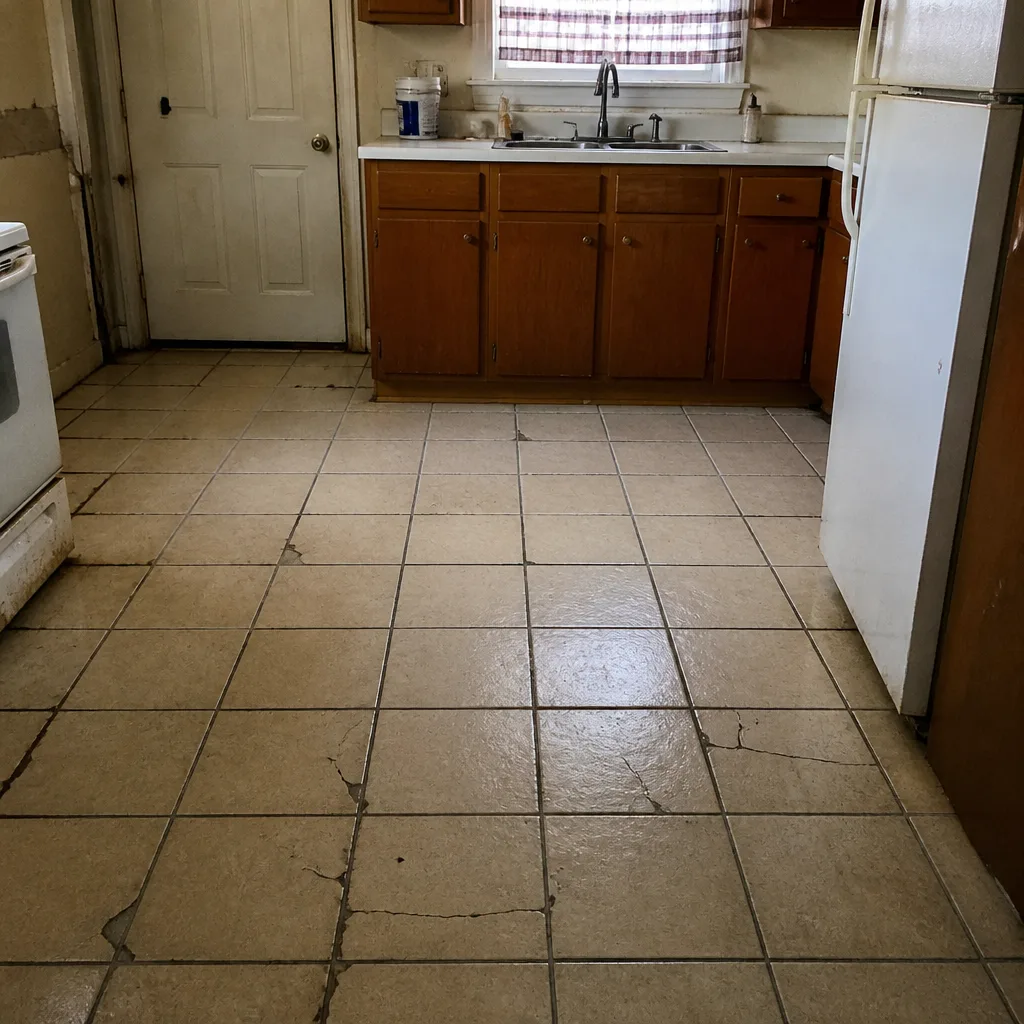 Before
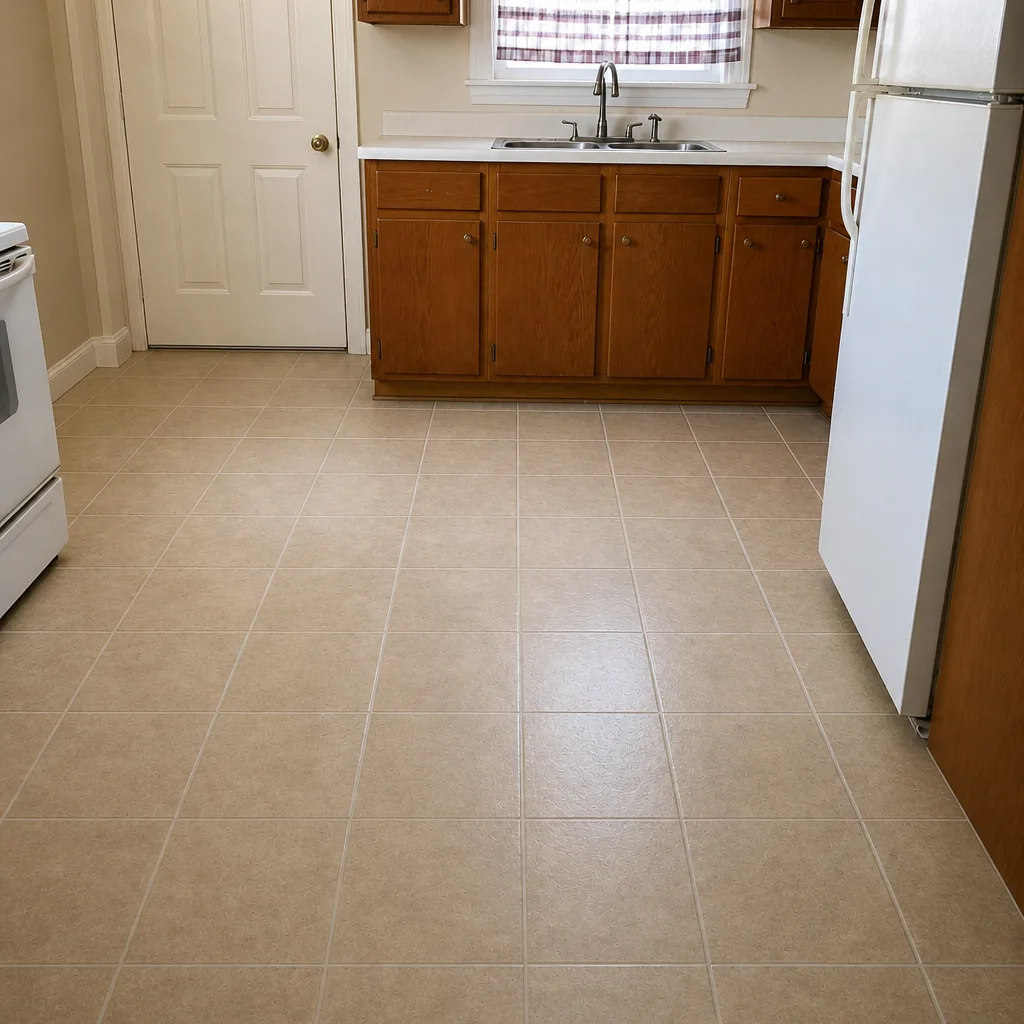 After
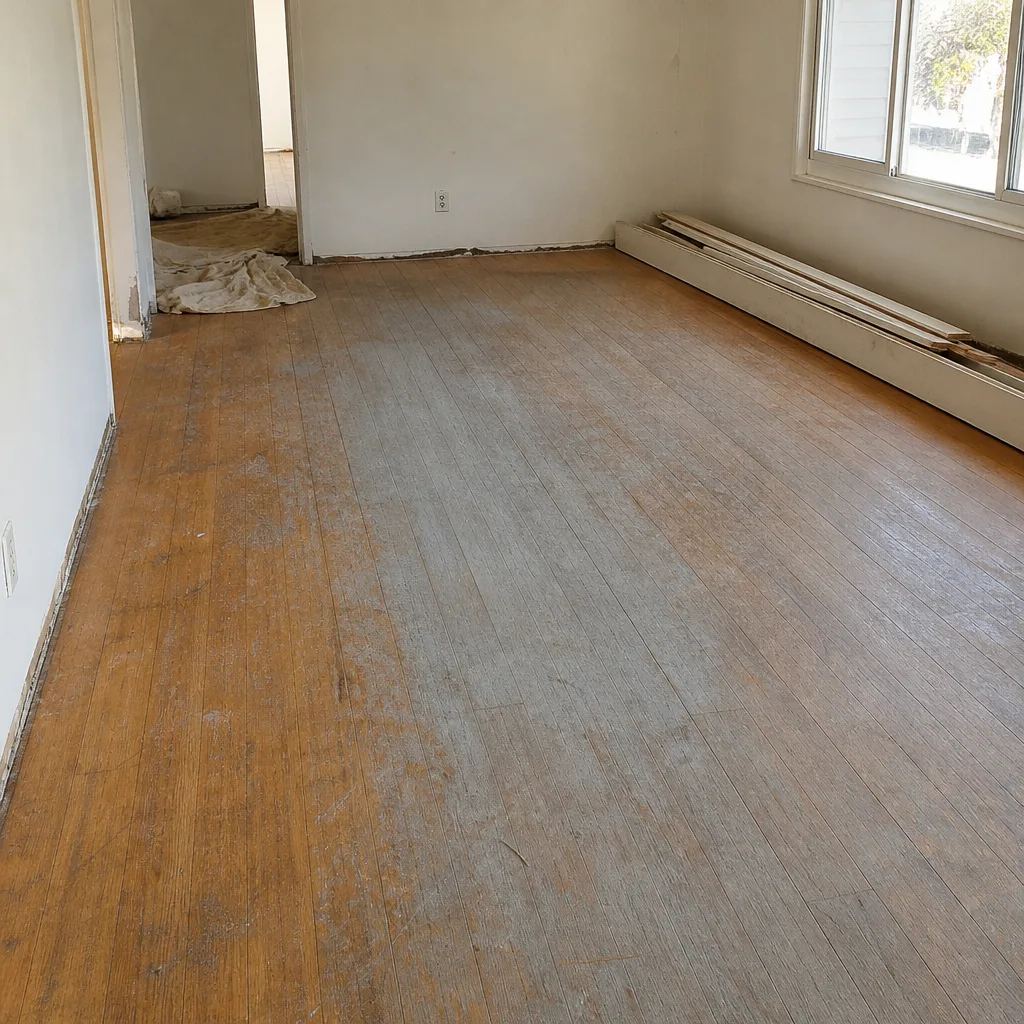 Before
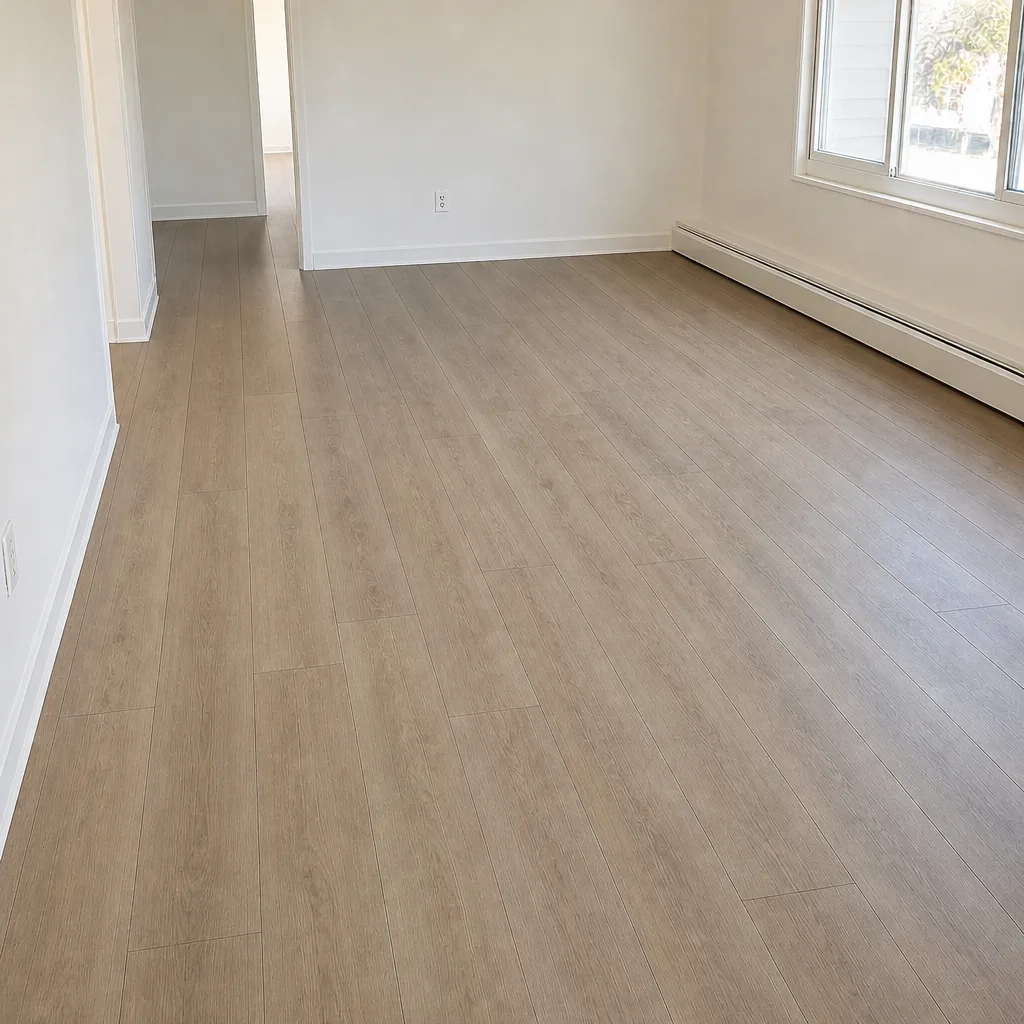 After
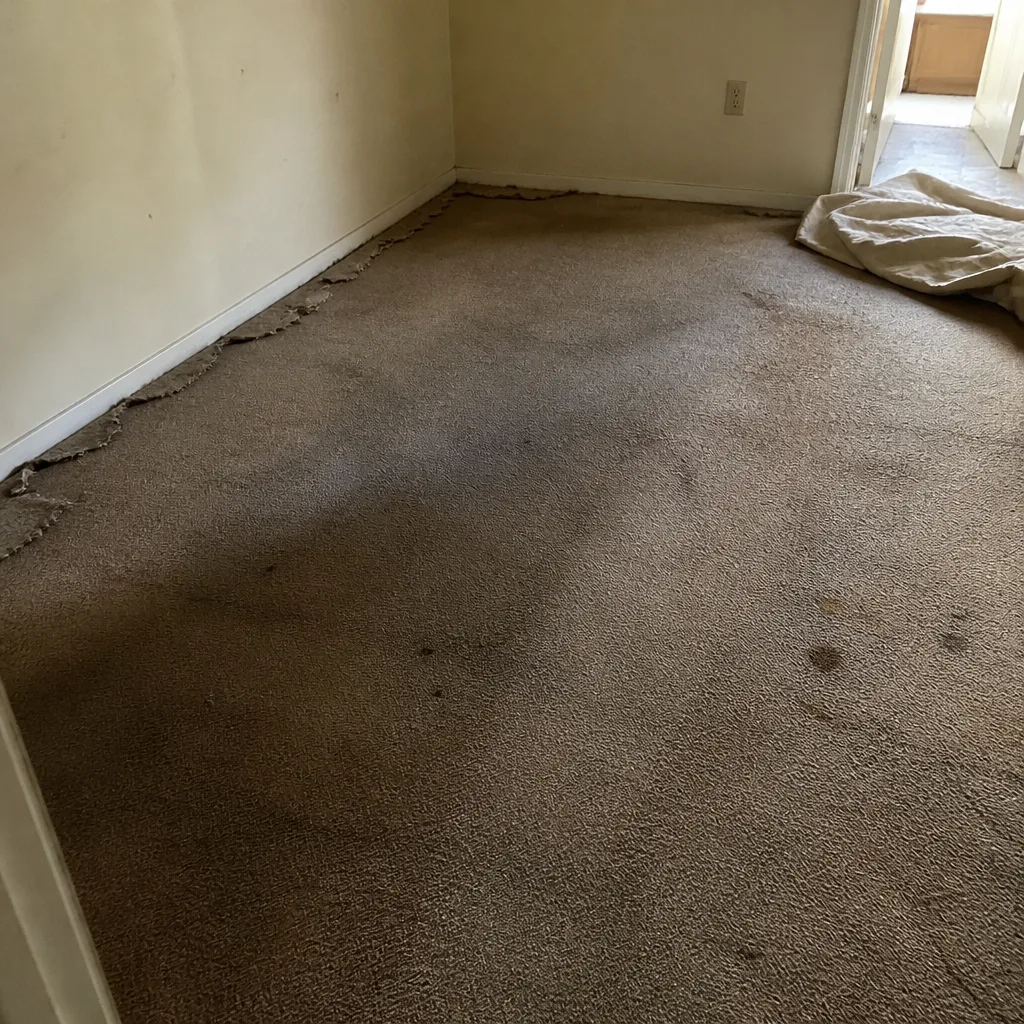 Before
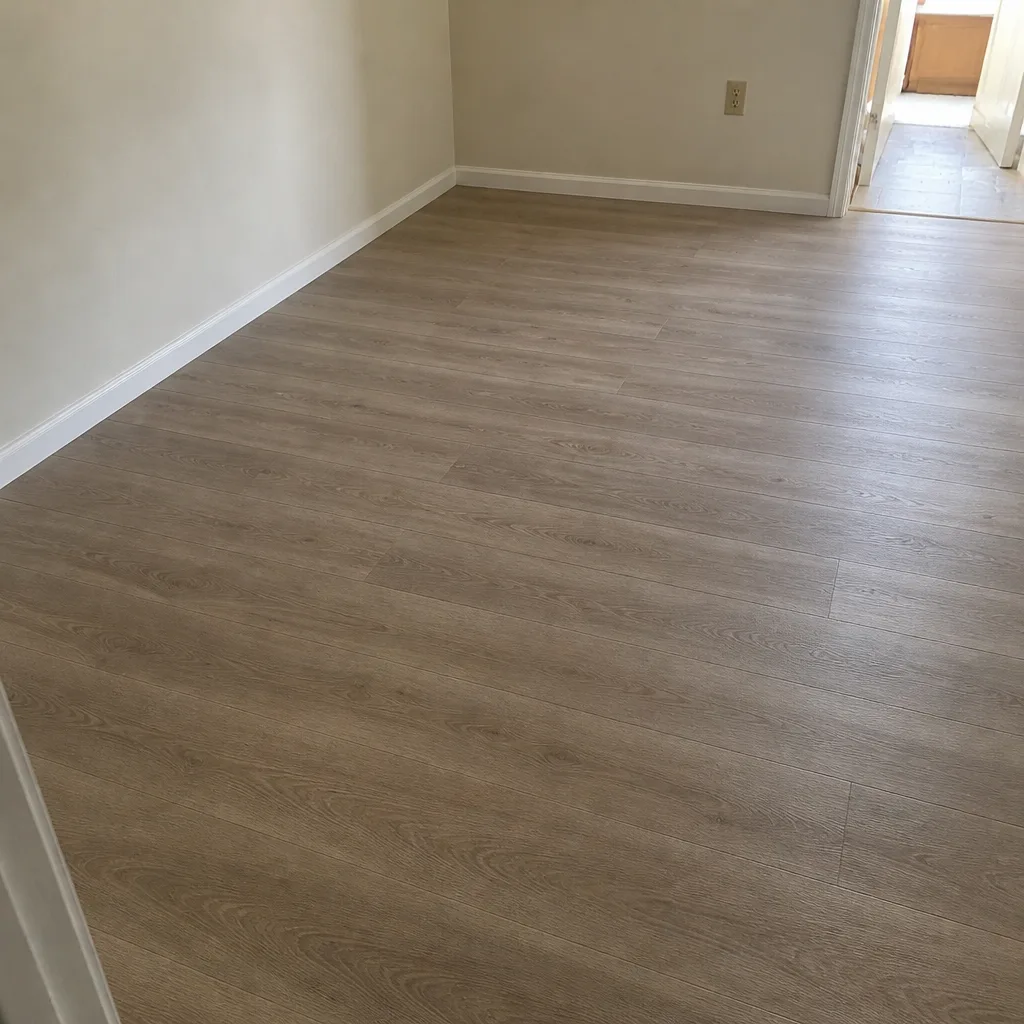 After
Frequently Asked Questions
Luxury vinyl plank and porcelain tile are the two most reliable choices for Sunrise Manor’s thermal cycling and monsoon humidity. Both are engineered to handle temperature swings and moisture better than solid wood on a slab-on-grade home. Carpet is a solid choice for bedrooms with less sun exposure. Call (855) 799-4650 for a free estimate tailored to your specific rooms.
Hardwood can work here, but it depends on the subfloor, the exposure, and the acclimation. Solid hardwood over a sun-hit slab is the riskiest combination in this climate because it moves most with the dry-to-monsoon moisture cycle. Engineered hardwood with a stable core is more forgiving. Whether a specific floor can handle your room is checked at the estimate visit. Call (855) 799-4650 to schedule one.
Cupping and gapping in Sunrise Manor usually trace back to one of three things: skipped acclimation, a missing or insufficient vapor barrier, or no expansion gap at the perimeter. The daily thermal swing and the July-August humidity spike amplify any of those weaknesses. A proper installation plans for all three from the start. Call (855) 799-4650 to talk through what’s happening with your floor.
Acclimation time depends on the product and the home, and the product instructions and the written estimate set the exact window. Wood-based products generally need more time than vinyl or tile. The key is that the material sits in the actual rooms at normal living temperature before installation. We build that window into every schedule. Call (855) 799-4650 for a free estimate.
Yes, tile over a slab is a common and stable choice in this climate because porcelain has low thermal expansion and no moisture uptake. The success depends on slab prep, the right mortar, and movement joints done correctly. A professional assessment confirms the slab is ready before tile goes down. Call (855) 799-4650 to schedule your free estimate.
Yes, a vapor barrier is essential under floating floors and most wood-based systems on a slab, because vapor from the soil beneath can otherwise get trapped and attack the floor. The specific barrier and moisture limits are set by the product instructions and your written estimate. For a room-by-room recommendation, see our Sunrise Manor flooring guide or call (855) 799-4650 for a free estimate.
The Bottom Line
Sunrise Manor’s climate doesn’t just run hot. It cycles, and the cycling is what breaks floors. Dry summer heat pulls materials one way, the monsoon window pushes them back, and the slab underneath amplifies both. The floor that lasts here is matched to the subfloor, engineered for thermal and moisture movement, and acclimated before installation. Luxury vinyl plank, porcelain tile, and carpet handle that cycle best; wood-based products can work with the right conditions and prep. Whether you’re refreshing one room or flooring a whole home, the right call starts with a free estimate. Call (855) 799-4650 to schedule yours. We answer 24/7. Fast dispatch from 7am to 7pm, Sunday through Friday.
Written by the team at Flooring Installation Sunrise Manor.