
Last updated November 18, 2026
 Hardwood
 Engineered hardwood
 Luxury vinyl plank
 Laminate
 Porcelain tile
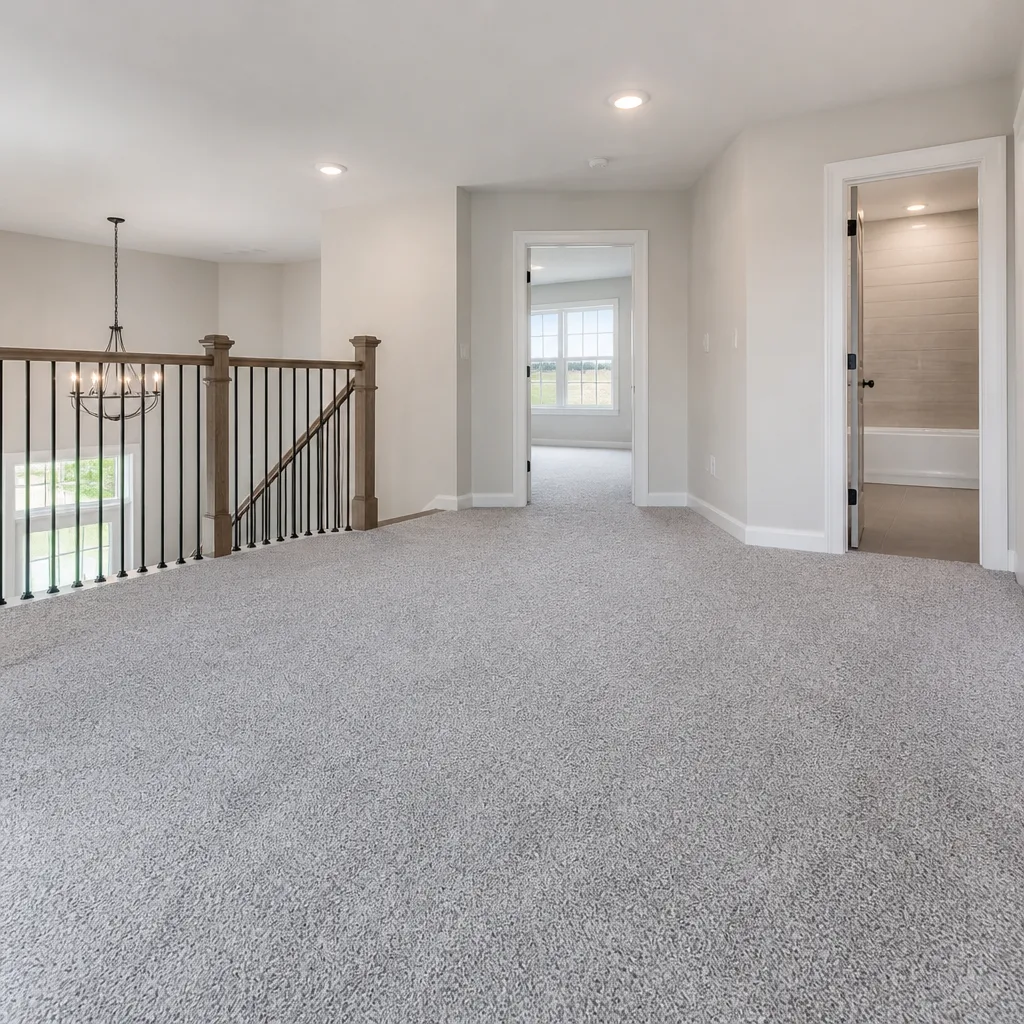 Carpet
 Shaw
 Mohawk
 COREtec
 Pergo
Free in-home measure and written estimate: Shaw, Mohawk, COREtec and Pergo lines compared on your own rooms, with carpet, tile, vinyl plank, laminate and hardwood laid out side by side
Get your free estimateFlooring Installation Questions to Ask Before You Sign
Most homeowners walk into a flooring estimate ready to ask about price and color. Those are the two questions the contractor expects, and they’re the two least likely to tell you whether the crew can actually deliver a floor that stays flat, tight, and quiet for years. The question “how long have you been in business?” feels smart but tells you almost nothing you can use. The question “will you show me the flatness tolerance spec for this product and explain how you’ll meet it on my subfloor?” tells you almost everything. In this guide we lay out the installation questions, subfloor questions, warranty questions, and payment questions that separate a crew who knows their material from one who’s hoping you won’t dig deeper. We’ll cover what a good answer sounds like, what a vague one sounds like, and why the single most important question is one nearly everyone skips. This is written from a Sunrise Manor flooring specialist’s point of view, so the context is local.
Quick Answer
The best questions to ask before signing a flooring contract are the ones tied to installation details: how the material will acclimate, how the crew handles subfloor flatness, what expansion gaps and transitions they’ll use, what the installation warranty covers versus the manufacturer warranty, what triggers each payment, and who will physically be on the job. Ask for specifics and written answers. A confident contractor welcomes them; a weak one gives you a general reassurance and moves the conversation back to price.
Styles & brands we work with
- Hardwood
- Engineered hardwood
- Luxury vinyl plank
- Laminate
- Porcelain tile
- Carpet
- Shaw
- Mohawk
- COREtec
- Pergo
Table of Contents
- The one question most homeowners skip
- Acclimation and product-specific questions
- Subfloor questions before demo begins
- Expansion gaps, transitions, and layout
- Manufacturer warranty vs. installation warranty
- Payment, deposit, and scheduling questions
- Sunrise Manor-specific questions worth asking
- What should be in the written estimate
Who Specifically Will Be Doing the Installation?
This is the question that matters more than any credential on a website, and it’s the one homeowners ask least. Ask who will set foot in the house on install day – employees of the company, a crew the company regularly works with, or day labor pulled together for the job. Ask whether the same people who measure will be the same people who install. The answer tells you how much control the contractor has over the outcome.
You want to hear a clear, unhesitating answer. Something like “the crew leader who walks the job with you will run the install” is a good sign, because accountability sits with a real person on the day. A vague answer – “our guys” with no more detail, or a shrug – means you can’t predict who shows up or how much they know about the particular product you chose.
When you’ve narrowed your material down, ask the follow-up: how much of this material has the crew installed? Carpet, ceramic tile, luxury vinyl, and hardwood refinishing are different disciplines with different skills. A generalist contractor rotating between trades won’t bring the same hands-on experience as someone who does only flooring. At Flooring Installation Sunrise Manor we’re a flooring-only specialist, which means the answer to “what else do you do?” is simple: flooring. Our technicians have up to 14 years of experience, and the crew assigned to your job is the crew that knows the product.
Ask, too, who supervises the job and who your point of contact is if something needs to change mid-install. A crew working without a supervisor is fine for small, simple jobs and risky for anything with transitions, tile layout, or a refinish.
How Will You Acclimate the Material Before Install?
Acclimation is the waiting period that lets flooring adjust to the temperature and moisture of your home before it’s installed. Skip it, or rush it, and the material can expand, cup, or gap after the job. Ask how the crew handles it for the specific product you’ve been quoted. The answer should reference the manufacturer’s written instructions and the conditions in your home, not a fixed number of days that applies to everything.
Here’s what a good answer sounds like. For solid or engineered hardwood, the crew will tell you the product needs to sit in the room at the home’s normal living conditions, that they’ll check moisture, and that the product instructions set the time. For luxury vinyl plank such as Karndean or a water-resistant line like COREtec, the answer should reference the temperature the product wants and whether cartons get stacked or opened flat. For ceramic tile from a line like Daltile, acclimation isn’t the main issue – the substrate and layout are – so the better answer here is about surface prep.
Watch for these red flags:
- “We install the same day we deliver.” That’s a sign the material hasn’t adjusted to your home.
- “Acclimation doesn’t matter for this product.” It matters for nearly all of them; the manufacturer’s instructions say how much.
- “We always wait X days.” A single number for every product and every home is a template answer, not a thoughtful one.
Ask where the material will sit while it acclimates and whether the room will be closed off. Boxes piled in a garage in Sunrise Manor‘s summer heat won’t acclimate the same as boxes in the room where they’ll be installed. And ask whether the delivery and the install are scheduled with acclimation in mind, because a tight install date usually means the wait gets squeezed.
What Subfloor Questions Should You Ask Before Demo Begins?
Almost every flooring problem we hear about traces back to the subfloor, and almost every homeowner skips the subfloor questions until the crew is already pulling up the old floor. Ask them at the estimate. The contractor’s answers tell you whether they plan to check flatness and moisture before they lay anything down, or whether they plan to just cover it and hope.
Ask these questions in this order:
- Will you check the subfloor for flatness before install, and how? A good answer mentions a straightedge, a level, or a laser, and refers to the product’s flatness tolerance spec.
- Will you check for moisture, especially on a slab? Desert slabs and crawlspaces both hold moisture in ways homeowners don’t always see.
- What’s the plan if the subfloor is out of tolerance – will you self-level, use a patching compound, or add an underlayment? Get the answer and the cost implication in writing.
- What happens if the demo reveals something unexpected – rot, an old adhesive, a previous bad install? Ask how they’ll handle the surprise and how they’ll communicate the price change before doing the work.
- Will you remove and dispose of the old flooring, and is that in the price? Removal and haul-away should be a line item, not an assumption.
A weak contractor answers subfloor questions with “we’ll take care of it.” That’s not a plan. A strong one gives you specifics and treats the subfloor as the first real decision of the job, not an afterthought. It’s one of the reasons we ask for a free in-home measure before quoting – the flatness and moisture checks happen there, and they set the price. Flatness tolerances, moisture limits, and underlayment requirements depend on the product and the home, so the product instructions and the written estimate govern them.
Expansion Gaps, Transitions, and Layout – What Should You Ask?
Expansion gaps and transitions are the details that make a floor look finished instead of rough. Ask how the crew handles both, especially at doorways, where two floors meet, and where the flooring meets a wall, cabinet, or fireplace. The answers will tell you whether they understand how the chosen material moves and how to hide the seams.
The questions worth asking:
- How wide will the expansion gaps be, and why? Wall-to-wall flooring needs a gap at the perimeter so the material can move. The size depends on the product and the product instructions. Ask the crew to name the spec, not just promise “enough room.”
- How will you handle transitions between rooms and between materials? A doorway between carpet and tile, or between hardwood and a vinyl plank, needs a transition piece. Ask what kind and whether it’s in the quote.
- Will you run the floor in one direction through the rooms, or break it up? Layout direction affects how the home reads, and running plank through a long hallway looks different than turning it at each door.
- How will you hide the cut against a cabinet toe-kick or a stone hearth? The answer should reference trim, shoe molding, or a flush fit, not “we’ll figure it out.”
This is also where the brand conversation belongs. If you’re quoting Mannington or Armstrong, ask the crew to talk you through the transitions and edge details specific to that product line. If you’re quoting Karndean, ask about the click versus glue-down options and how that changes the prep. A crew who names these details without hesitation has spent real time with them.
Manufacturer Warranty vs. Installation Warranty – What’s the Difference?
The manufacturer warranty and the installation warranty are two separate things, and homeowners often discover the difference only when they need to file a claim. Ask which warranty covers what, who you call for each, and what documentation you need to keep to make a claim stick.
The manufacturer warranty covers the product itself – defects in the material, wear-through where the product promises it, delamination, and similar product-level problems. It’s issued by the brand, not the installer, and it usually requires proof of purchase, a record of the product line, and sometimes documentation of the install conditions.
The installation warranty covers the workmanship – how the floor was laid, transitions, gaps, and adherence. It’s issued by whoever did the install, and it’s the warranty most homeowners actually use. Ask these questions about both:
- Which warranty is which, in writing?
- Who do I call first if something goes wrong – the installer or the manufacturer?
- What documentation do I need to keep for a claim?
- What voids the warranty – is it anything about the subfloor, the room’s moisture, acclimation, or how the floor is washed?
- What’s the claim process, and how long does it take?
Get the warranty terms in the written estimate or a separate document before you sign. Whatever the manufacturer’s terms say, the product instructions and the written estimate govern the warranty, so read both.
Payment, Deposit, and Scheduling – What Protects the Homeowner?
Payment questions feel awkward to ask, which is exactly why a homeowner should ask them up front. A reasonable deposit secures the job and covers the cost of ordering material. An excessive deposit – say, most of the job before anyone’s picked up a tool – shifts too much risk onto you. Ask what triggers each payment, and get the answer in writing.
Ask these:
- What’s the deposit, and what does it cover? A deposit that maps to material ordering is normal. A deposit that swallows most of the price before install is a warning sign.
- What triggers each payment milestone? Common milestones are deposit, material delivery or install start, and final walk-through. Ask which ones apply.
- What’s the final payment contingent on? It should be tied to a walk-through where you sign off on the finished floor, not to a date on the calendar.
- What’s a realistic completion timeline, and what could move it? Installation is a booked job: measure, written estimate, then a scheduled install day. No crew should promise a fixed arrival time or a guaranteed install length in days at the quote stage – the schedule is set at the estimate.
- What happens if material is back-ordered? Ask how the crew handles a delay, whether they’ll hold your date, and how they’ll tell you.
Finally, ask whether the quote you’re holding is final. A free estimate and a written quote should mean the price is the price, unless the demo reveals something neither of you expected. The written estimate sets the final price, and every payment milestone should trace back to it.
What Should You Ask a Sunrise Manor Flooring Contractor Specifically?
Every region has its own conditions, and Sunrise Manor’s are worth asking about directly. The desert climate cycles between hot, dry summers and cool winters, and homes here range from slab to raised foundation depending on the neighborhood and build era. Ask how that shapes the install.
Good local questions:
- How does the desert climate affect acclimation and the material choice? Extreme swings test the material. Ask how the crew handles that.
- What’s your approach on a slab versus a raised foundation? The moisture check and prep change with the structure. Ask which yours is and how the plan changes.
- How do you handle tile in a room with a lot of sun? Sun through a window heats the floor unevenly. Ask how the crew accounts for that in layout and material choice.
- Which materials hold up best in a Sunrise Manor home? There’s no single answer – it depends on the room, the traffic, and how you live. Ask questions in those terms, not “what’s the best floor?”
- Can you handle the whole home with one trade? A homeowner finishing several rooms at once mixes carpet, tile, and hardwood. Ask whether the contractor can cover all three so you’re not coordinating multiple trades. At Flooring Installation Sunrise Manor we do carpet installation, tile flooring installation, and hardwood floor refinishing, so a whole-home project runs on one schedule.
If your neighborhood has a specific pattern – homes near carpet installation projects you’ve seen locally, or a floor you’ve admired – ask whether the crew has worked in that kind of home. Local pattern recognition is useful, and it’s fair for you to ask.
What Should Be in the Written Estimate?
The written estimate is the document you’ll rely on if anything goes sideways, so treat it as part of the interview. Ask what’s included, what’s excluded, and what language covers the install method. A solid flooring estimate is specific enough that you could hand it to a different crew and they’d know exactly what to do.
Check for these items:
- The exact product and brand (Mannington, Armstrong, Daltile, and so on), including the line and color, not just “vinyl plank.”
- Square footage and room-by-room breakdown.
- Material, labor, underlayment, and trim line items separately.
- Removal and haul-away of the old floor.
- Subfloor prep scope, and the contingency for unforeseen conditions.
- Installation warranty terms and the manufacturer warranty documents.
- Payment schedule and milestones.
- The install date agreed at the estimate and the condition under which it can move.
Ask for the estimate in writing before you sign anything, and read the exclusions carefully. The written estimate sets the final price, so it needs to be complete enough to see the whole job.
Common Mistakes to Avoid
- Choosing the product before deciding who installs it. The best material in the wrong hands will still fail, and the questions above tell you more about the outcome than the color sample does. Pick the crew with the best answers first, then the material.
- Never asking who will physically be in the home. “Our guys” isn’t an answer. Ask for the crew leader’s role and where the accountability sits, especially when a subcontractor is involved.
- Signing before the subfloor questions are answered in writing. Flatness and moisture checks are cheap to plan for and expensive to fix after install. If subfloor prep isn’t in the written estimate, expect a surprise line item once demo starts.
- Treating the manufacturer warranty as your only warranty. It covers the product, not the workmanship. Ask specifically about the installation warranty and what documentation you’ll need to file a claim.
- Paying too much before install. A deposit tied to material ordering is normal; a large payment before any work has happened puts the risk on you. Tie each payment to a milestone.
- Skipping the acclimation question because the crew didn’t bring it up. In a Sunrise Manor summer, a rushed acclimation shows up months later as cupping or gapping, and by then the crew has moved on to the next job.
- Asking for a same-day install. Flooring is a scheduled job: measure, written estimate, then a booked install day. A contractor who agrees to skip the measure to save time is the contractor most likely to miss details.
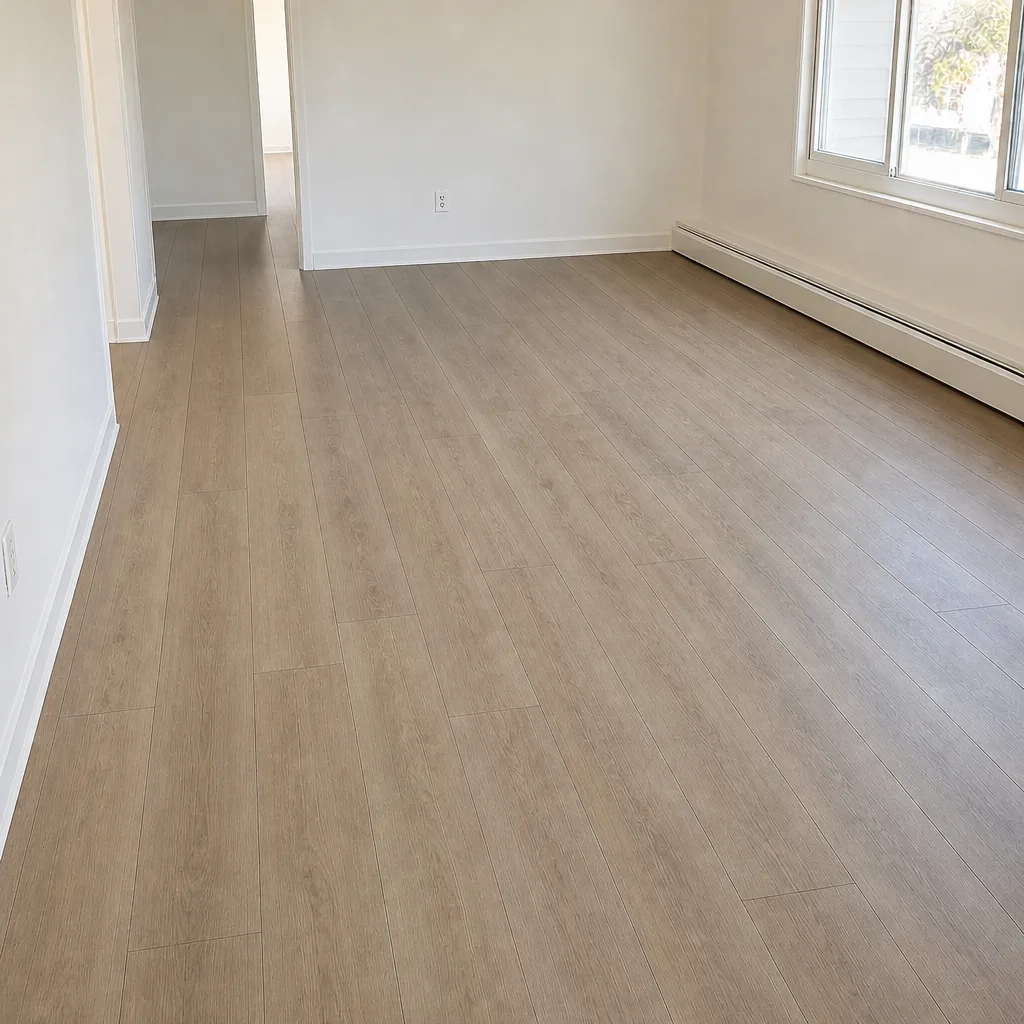
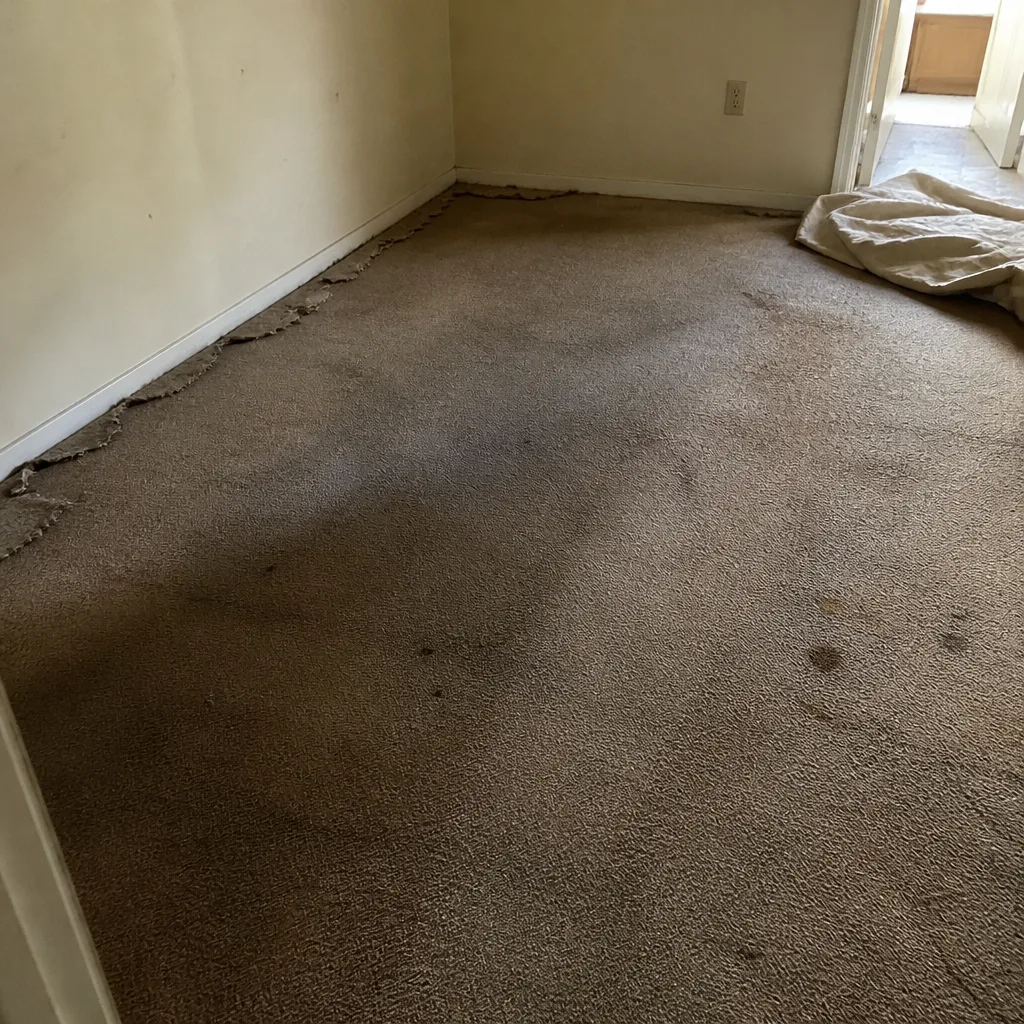
See the difference
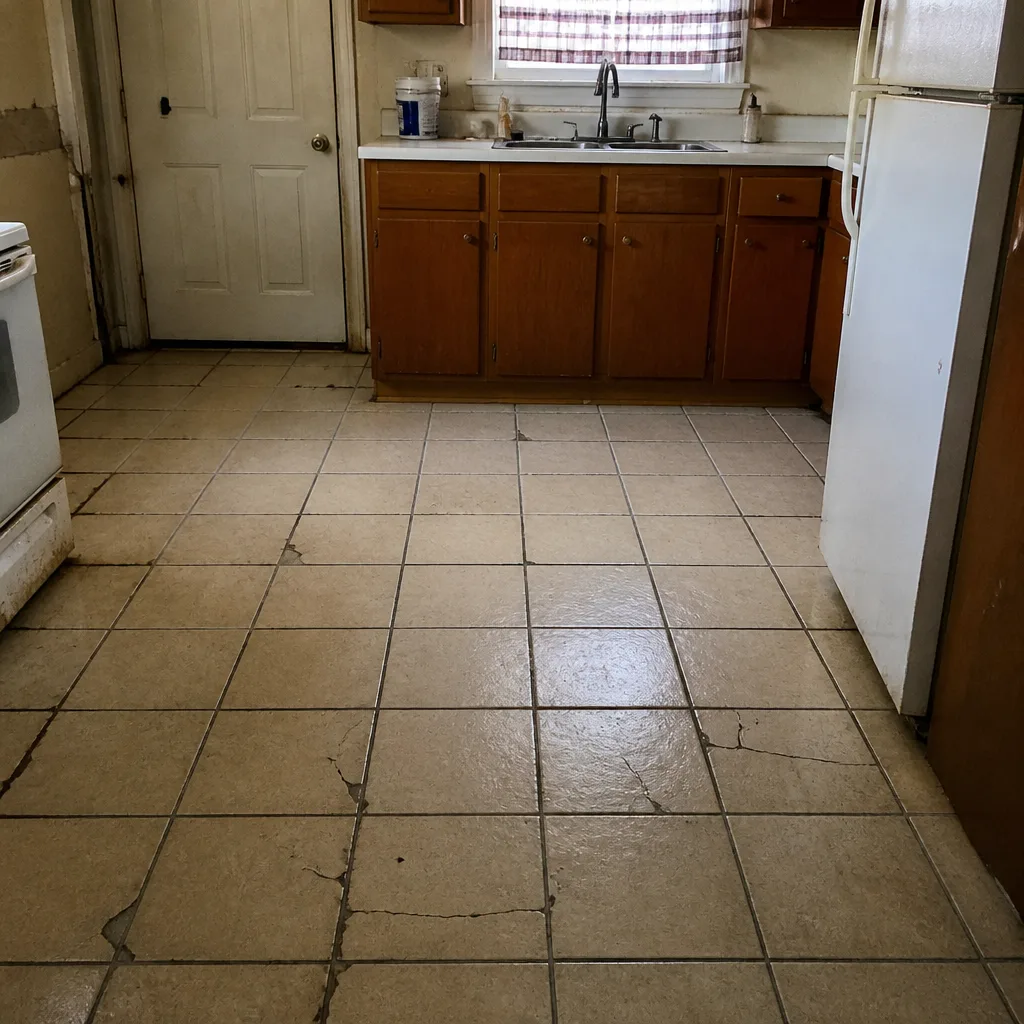 Before
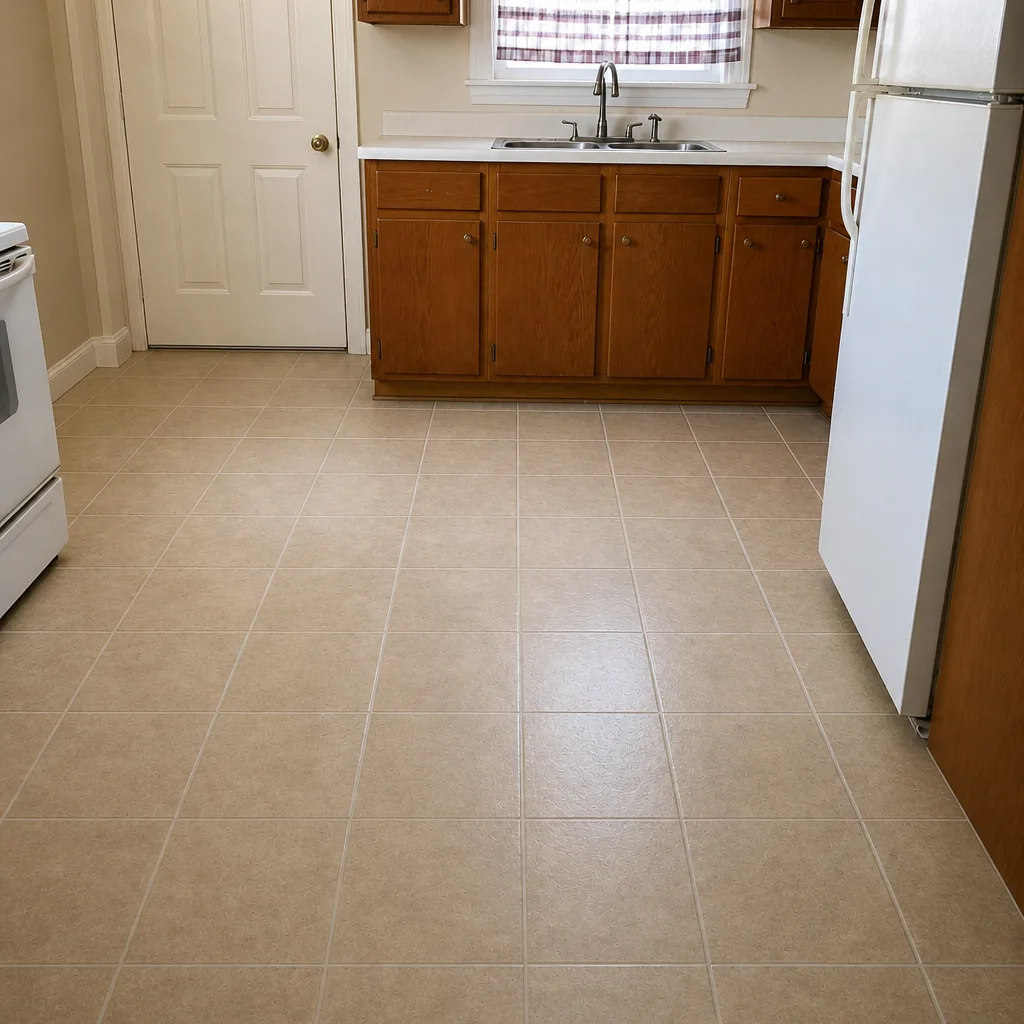 After
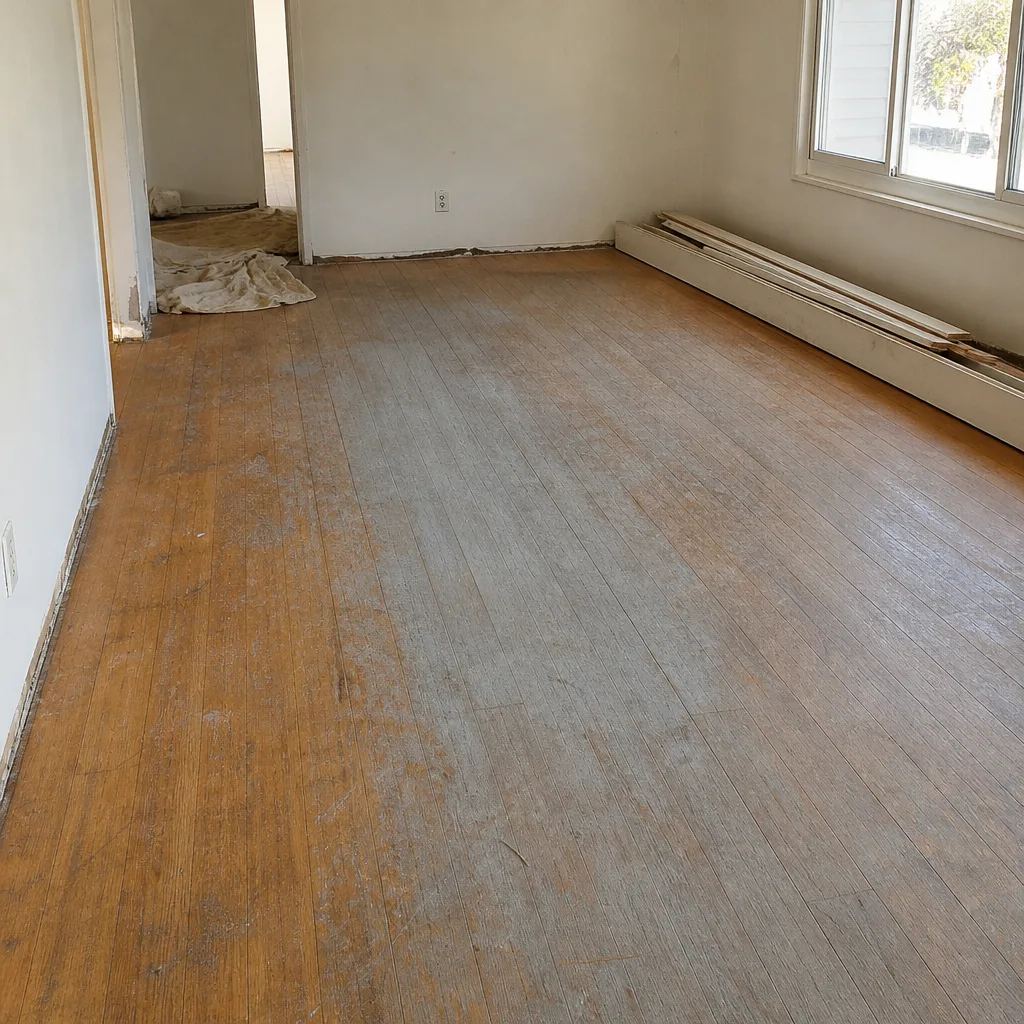 Before
 After
 Before
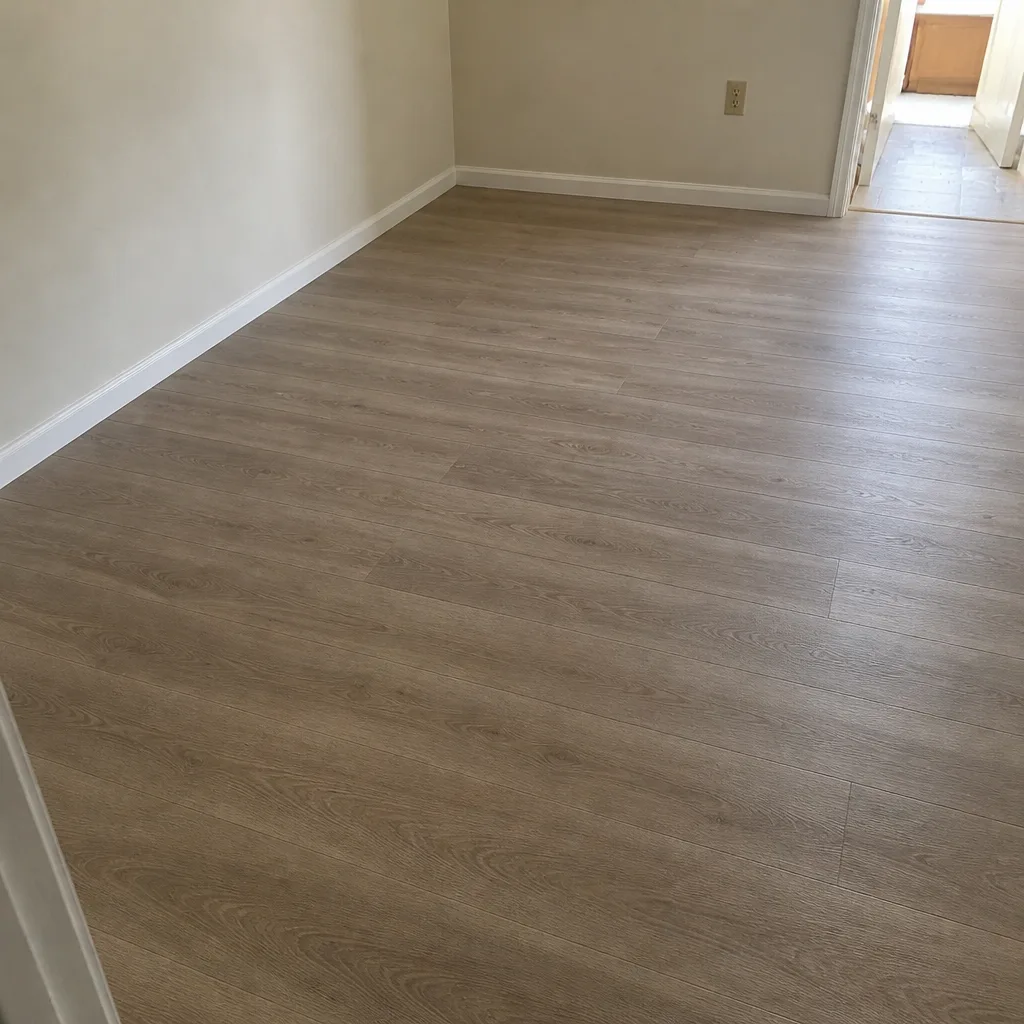 After
When to Call a Professional
Some flooring jobs are genuinely doable yourself: a small area rug run, a single floating vinyl plank floor over a clean, flat slab, and simple trim work. But call a professional when the floor involves tile layout, transitions between rooms and materials, subfloor correction, hardwood refinishing, or a whole-home install. Call one when the subfloor is worn or uneven, when you’re not sure how a product will perform in a particular room, or when the demo has already turned up something unexpected. Tile in particular is unforgiving – mortar, grout, and layout mistakes are hard and expensive to reverse once they’ve set. So is refinishing hardwood, which depends on the wood’s thickness and condition, checked at the estimate visit, not promised over the phone. In those cases, the questions above matter and so does the crew. Flooring Installation Sunrise Manor offers free estimates in Sunrise Manor. Call (855) 799-4650 to schedule yours. We answer 24/7. Fast dispatch from 7am to 7pm, Sunday through Friday, and we’re closed Saturday.
Frequently Asked Questions
Ask about acclimation for the specific product, how the crew checks and corrects subfloor flatness, how they’ll handle expansion gaps and transitions, what the installation warranty covers versus the manufacturer warranty, what triggers each payment, and who will actually be on the job. Get the answers in writing, and ask the crew to name specifics rather than give general reassurances. Call (855) 799-4650 for a free estimate in Sunrise Manor.
A good contractor gives you specific, product-level answers and welcomes the questions; a weak one gives general reassurances and moves the conversation back to price. Listen for whether they can talk through flatness tolerances, expansion gaps, and transitions for the material you’ve chosen. If they name the product spec and explain how they’ll meet it in your home, they’ve done this before. Call (855) 799-4650 to talk through your project with our team.
You need both, and they cover different things. The manufacturer warranty covers product defects; the installation warranty covers workmanship like gaps, transitions, and adherence. Most problems homeowners actually experience fall under workmanship, so ask about the installation warranty specifically. Get both in writing before signing. Call (855) 799-4650 for an estimate and a written quote.
A deposit that covers ordering the material is normal. A deposit that takes most of the price before any work has happened isn’t. Ask what each payment milestone covers and tie the final payment to a walk-through where you sign off on the finished floor. The written estimate should show the whole schedule. Call (855) 799-4650 and we’ll walk you through our process.
No. A floor that looks fine from above can hide an out-of-tolerance subfloor, moisture, or leftover adhesive from a previous install, and all three affect how the new floor performs. The flatness and moisture checks are cheap to plan and expensive to discover after install. Ask for them in writing before demo. Call (855) 799-4650 to schedule a free estimate where we can check your subfloor.
Yes. Tile questions center on layout, adhesive, and grout; carpet on padding, stretch, and seams; hardwood on acclimation, subfloor prep, and whether refinishing is a fit. A flooring specialist who works across all three – like our team at Flooring Installation Sunrise Manor – can answer all three sets with real depth. Call (855) 799-4650 for a free estimate.
The Bottom Line
The questions you ask before you sign tell you more about the crew than any credential you’ll find online. Ask about acclimation for the specific product, subfloor checks and prep, expansion gaps and transitions, the difference between the manufacturer warranty and the installation warranty, and the payment schedule. Then ask the question most homeowners skip: who specifically will be doing the install? A confident contractor answers all of it with specifics and puts it in writing. A weak one gives you a general reassurance and steers back to price. That’s the difference that holds up after the floor is in. If you’re planning a project in Sunrise Manor, our tile flooring installation and refinishing work is built on the same questions. Call (855) 799-4650 to schedule a free estimate. We answer 24/7. Fast dispatch from 7am to 7pm, Sunday through Friday, and we’re closed Saturday.
Written by the team at Flooring Installation Sunrise Manor.