
Last updated November 18, 2026
 Hardwood
 Engineered hardwood
 Luxury vinyl plank
 Laminate
 Porcelain tile
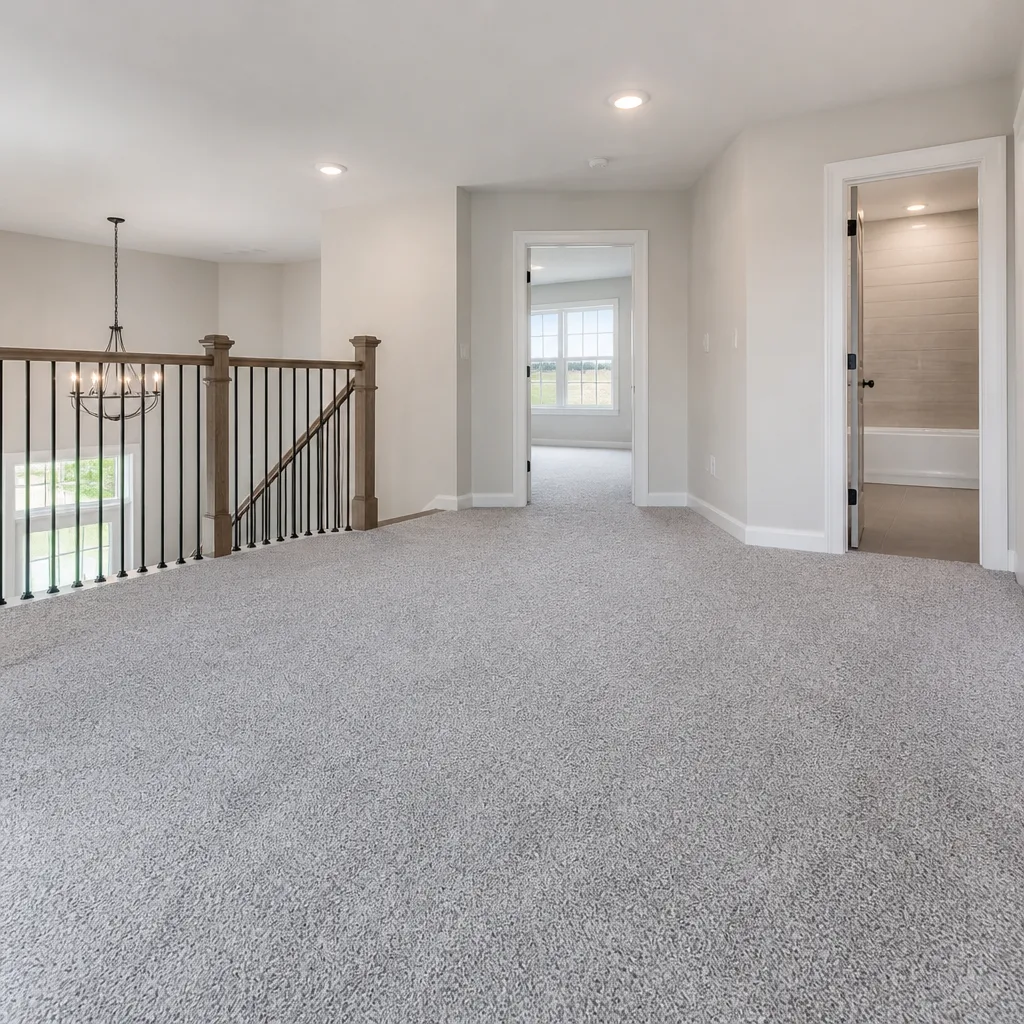 Carpet
 Shaw
 Mohawk
 COREtec
 Pergo
Free in-home measure and written estimate: Shaw, Mohawk, COREtec and Pergo lines compared on your own rooms, with carpet, tile, vinyl plank, laminate and hardwood laid out side by side
Get your free estimateWhat Happens at a Free In-Home Flooring Estimate in Sunrise Manor
Most homeowners think the estimate visit is about measuring. It isn’t. Measuring takes ten minutes; the real work happens when an experienced installer kneels down, looks at the subfloor, checks a doorway threshold, and notices the cupping along a wall that tells a story about moisture. Those observations shape the price you get and the floor you end up living on. A free in-home flooring estimate in Sunrise Manor is a diagnostic appointment, not a sales pitch with a tape measure, and knowing what to expect lets you get real value from it. This guide walks you through what a specialist examines, how to prepare your rooms, what a proper written scope looks like, and the questions worth asking before you sign anything. By the end, you’ll know the difference between a bid and a guess.
Quick Answer
A free in-home flooring estimate in Sunrise Manor is a diagnostic visit where an installer measures your rooms, checks subfloor flatness, looks for moisture signs, evaluates transition heights and door clearance, and asks how each room is actually used. You leave with a written scope and a firm price per job instead of a ballpark number on a notepad. The visit usually takes under an hour for a single room and longer for whole-home projects.
Styles & brands we work with
- Hardwood
- Engineered hardwood
- Luxury vinyl plank
- Laminate
- Porcelain tile
- Carpet
- Shaw
- Mohawk
- COREtec
- Pergo
Table of Contents
- What a Flooring Specialist Actually Checks During the Walkthrough
- How to Present Your Rooms for the Most Accurate Bid
- Written Scope Estimate vs. Ballpark Number: Why It Matters
- Questions to Ask That Reveal Real Product Experience
- Why a Bid Can Legitimately Increase After Work Starts
- Choosing Between Carpet, Tile, and Hardwood at the Estimate
- Sunrise Manor Conditions That Affect Your Floor
- What to Expect on the Day of the Estimate
What a Flooring Specialist Actually Checks During the Walkthrough
The walkthrough is where the estimate is really built. An installer who has spent years setting floors knows that the surface you see is only half the story, and what’s underneath decides whether a product will perform or fail. In Sunrise Manor, where slab-on-grade construction is common and summer heat pushes indoor humidity around, those checks matter more than they do in milder climates. Here’s what a thorough specialist is looking at room by room.
- Subfloor flatness. A floor needs a flat substrate, and “flat” is not the same as “level.” A specialist checks for dips, humps, and hollow spots with a straightedge or a laser. Whether your subfloor meets the requirement depends on the product you choose, and the product instructions and your written estimate set that standard.
- Moisture signs. Dark staining, cupping plank edges, musty odors near walls, and loose tile are clues. Slab moisture is a real consideration in this part of the valley, and the fix might be a moisture barrier or a different product entirely.
- Existing transition heights. Where carpet meets tile, or a hallway meets a bathroom, the height difference matters. A new floor that sits a half-inch higher than the adjacent room creates a trip hazard and a badly fitted transition strip.
- Door clearance. A thicker floor can leave a door dragging on the carpet or catching on tile. Undercutting a door is normal prep, but it has to be in the scope, not discovered later.
- Traffic pattern wear. The path from the bedroom to the bathroom wears differently than the corner of the living room. A specialist reads that wear to recommend the right product category and the right underlayment.
None of this is guesswork. Our technicians have up to 14 years of experience, and most of what they notice on a walkthrough comes from having seen how floors age in this climate. If you want a broader look at what we install, the flooring installation Sunrise Manor page covers the full range of services.
How to Present Your Rooms for the Most Accurate Bid
You don’t need to empty your house before an estimate. But a little preparation helps the installer give you a number that won’t move later. The goal is to let them see the floor and the room conditions without guessing. Here’s a simple sequence to follow in the days before the visit.
- Clear a walking path through each room. Move small furniture and clutter to one side so the installer can see the full floor and the walls. You don’t need to move a piano or a sectional.
- Have photos ready if a room is hard to access. A closet, a stair landing, or a room packed with furniture can be documented with a few phone photos showing the floor and any damage.
- Note what’s under the current floor if you know. If you’ve pulled up a corner and seen plywood, concrete, or an older layer of vinyl, mention it. It saves time and prevents surprises.
- Describe how each room is actually used. A spare bedroom and a mudroom get different recommendations. Tell the installer about pets, kids, wheelchairs, or a home office chair that rolls all day.
- Point out any known problem spots. A soft spot near the shower, a crack in the slab, a squeaky board. Flagging these early lets the estimate account for repair.
One more thing: be honest about your budget range and your timeline. It doesn’t weaken your position. It helps the specialist steer you toward a product that fits, whether that’s a Shaw carpet for a rental unit or a COREtec plank for a busy family room. If you’re weighing carpet specifically, our carpet installation page explains what different carpet constructions mean for wear.
Written Scope Estimate vs. Ballpark Number: Why It Matters
A written scope estimate protects you. A ballpark number on a notepad doesn’t. The difference is simple: a written scope lists exactly what will be installed, what prep is included, what happens if the subfloor needs work, and what the price covers. A ballpark number is a single figure that leaves every one of those questions unanswered.
Here’s what a proper written scope should include for a job in Sunrise Manor:
- Product specified by brand and category. “Shaw carpet, this style” or “Daltile ceramic, this format” rather than “carpet” or “tile.”
- Square footage measured room by room, with the measurement method stated.
- Prep work itemized: removal of the old floor, subfloor repair, moisture barrier, leveling compound, door undercutting.
- Materials and labor separated, so you can see what you’re paying for.
- What’s excluded, because the exclusions are where disputes start.
- A stated price and a signature line. The written estimate sets the final price.
Ask for the scope in writing before any work is scheduled. If a contractor won’t put it in writing, that tells you something. A detailed scope is also your reference point if a question comes up mid-job: you can both look at the same document. This is one of the reasons we treat the estimate as the foundation of the whole job, not a formality.
Questions to Ask That Reveal Real Product Experience
Any installer can say they’ve worked with a product. The answers to a few pointed questions tell you whether they’ve actually lived with its quirks on a job site. Ask these during the estimate and listen for specifics, not generalities.
- “What’s the trickiest part of installing this product in this room?” A specialist who has worked with the material will name a real challenge: the way a particular tile format chips, how a plank handles an uneven slab, how a carpet stretch behaves around a stair nose.
- “How does this product handle moisture in a slab-on-grade home?” In Sunrise Manor, many homes sit on concrete slabs. The answer should mention moisture testing or a barrier, not just “it’s fine.”
- “What does this product need underneath it?” Underlayment, thinset, tack strip, adhesive. If they can’t describe the layers, they haven’t set this floor often.
- “How long have your technicians worked with this category?” Our technicians have up to 14 years of experience, and it’s fair to ask any installer the same.
- “What would you do differently if this were your own room?” The answer often reveals the honest trade-offs between durability-first options and design-forward ones.
You can go deeper on any of the three core services. Our tile flooring installation page, for instance, explains what tile work in a desert climate involves, which gives you a better frame for the questions above.
Why a Bid Can Legitimately Increase After Work Starts
A price that moves after work starts isn’t automatically a red flag. Some increases are legitimate and predictable, and a thorough in-home estimate reduces them without eliminating every one. The key is knowing which reasons are reasonable and which ones signal trouble.
Legitimate reasons for an increase:
- Hidden subfloor damage. Once the old floor comes up, a soft spot or a cracked slab may be visible that nothing at the surface revealed. Repair is a real cost.
- Unexpected moisture under the flooring. A slab moisture issue that wasn’t detectable at the surface can require a barrier or a change in product.
- A change in product choice. If you upgrade from a budget line to a premium one, the price changes for a reason you chose.
- Discovery of an older floor layer. Sometimes a second layer of vinyl or tile is hidden beneath the one you see, and removal is extra work.
Reasons to question an increase: a vague “extra prep” charge with no explanation, a price change without a written revision, or a sudden discovery the estimate visit should have caught. A careful walkthrough, with subfloor and moisture checks, catches most of what could go wrong before you sign. Not all of it, though. Some things only reveal themselves when the old floor comes up, and an honest installer will tell you that upfront.
Choosing Between Carpet, Tile, and Hardwood at the Estimate
The estimate is also where the material conversation happens, and it’s better to have it in your living room than in a showroom. A specialist can point at the wear pattern under your feet and connect it to a product. That’s the advantage of working with a flooring-only company that carries nine recognized brand lines.
If durability is the priority, waterproof luxury vinyl lines like COREtec or LifeProof are built for rooms that see spills and heavy foot traffic. If you want something design-forward, premium vinyl such as Karndean offers a different look and feel. On the soft side, Shaw and Mohawk carpet give you a broad range of textures and constructions. For tile, Daltile covers ceramic and porcelain options. The right floor is the one that fits how you actually live, not the most expensive one on the list.
Hardwood is its own conversation. If your home already has hardwood, refinishing is often the smarter move than replacement. Refinished, not replaced, is the angle worth exploring, and whether a floor can be sanded and refinished depends on the thickness of the wood and its condition. That’s checked at the estimate visit, not promised over the phone.
For a fuller picture of the area we serve, the Sunrise Manor overview is a good place to start.
Sunrise Manor Conditions That Affect Your Floor
Sunrise Manor sits in the Las Vegas Valley, where summers are long and dry and indoor air can get very dry and then shift when a monsoon rolls through. That swing matters for flooring. Wood and some laminate products expand and contract with humidity changes, which is why a specialist asks about the home’s climate control and checks the floor’s condition at the transition points.
Slab-on-grade construction is common here, and a concrete slab can wick moisture from beneath. That’s why moisture checks are part of a good estimate in this area, not an optional extra. A product that handles moisture well, or a barrier that manages it, may be the right call even when the surface looks fine.
Older homes around Sunrise Manor and the surrounding east valley neighborhoods sometimes have an extra layer of flooring underfoot that isn’t visible from above. A specialist looks for clues at thresholds and edges. Mentioning the age and history of your home at the estimate helps them anticipate it.
Traffic patterns matter too. A household with kids and pets puts a different load on a floor than a quiet retiree home. The estimate is the time to talk about it honestly, because it changes the recommendation.
What to Expect on the Day of the Estimate
The visit itself is straightforward. Here’s the sequence most homeowners experience.
- A quick conversation. The installer asks what rooms are involved, what’s wrong with the current floor, and what you’re hoping to change.
- A room-by-room walkthrough. Measurements, subfloor checks, moisture signs, door clearance, and transition points.
- A material discussion. Options in your budget range, with honest trade-offs.
- A written scope. A detailed estimate that itemizes what will be done and what it costs.
- Your questions. Ask everything. A good estimate ends with you understanding what you’re buying.
The visit is free, and there’s no obligation. You get a written price and the information you need to decide.
Common Mistakes to Avoid
- Accepting a verbal price without a written scope. A number on a notepad leaves every question open. Ask for the scope in writing so you have a reference point if anything changes.
- Moving every piece of furniture before the visit. A clear path is enough. Clearing the whole house is unnecessary work and can hide floor conditions the installer needs to see.
- Describing rooms by name instead of use. Calling a room “the den” tells the installer nothing. Describe who uses it and how, so the recommendation fits.
- Skipping the moisture question in a slab home. In Sunrise Manor, concrete slabs are common, and moisture is a real consideration. Ask how it will be handled.
- Choosing a product on looks alone. A beautiful floor that doesn’t fit the room’s traffic or moisture conditions is a costly mismatch. Let the walkthrough inform the choice.
- Not asking what’s excluded. The exclusions in a scope are where disputes start. Ask what isn’t included before you sign.
- Assuming a bid won’t change. A thorough estimate reduces the risk of an increase, but hidden subfloor damage can still surface when the old floor comes up. Ask what the process is if that happens.
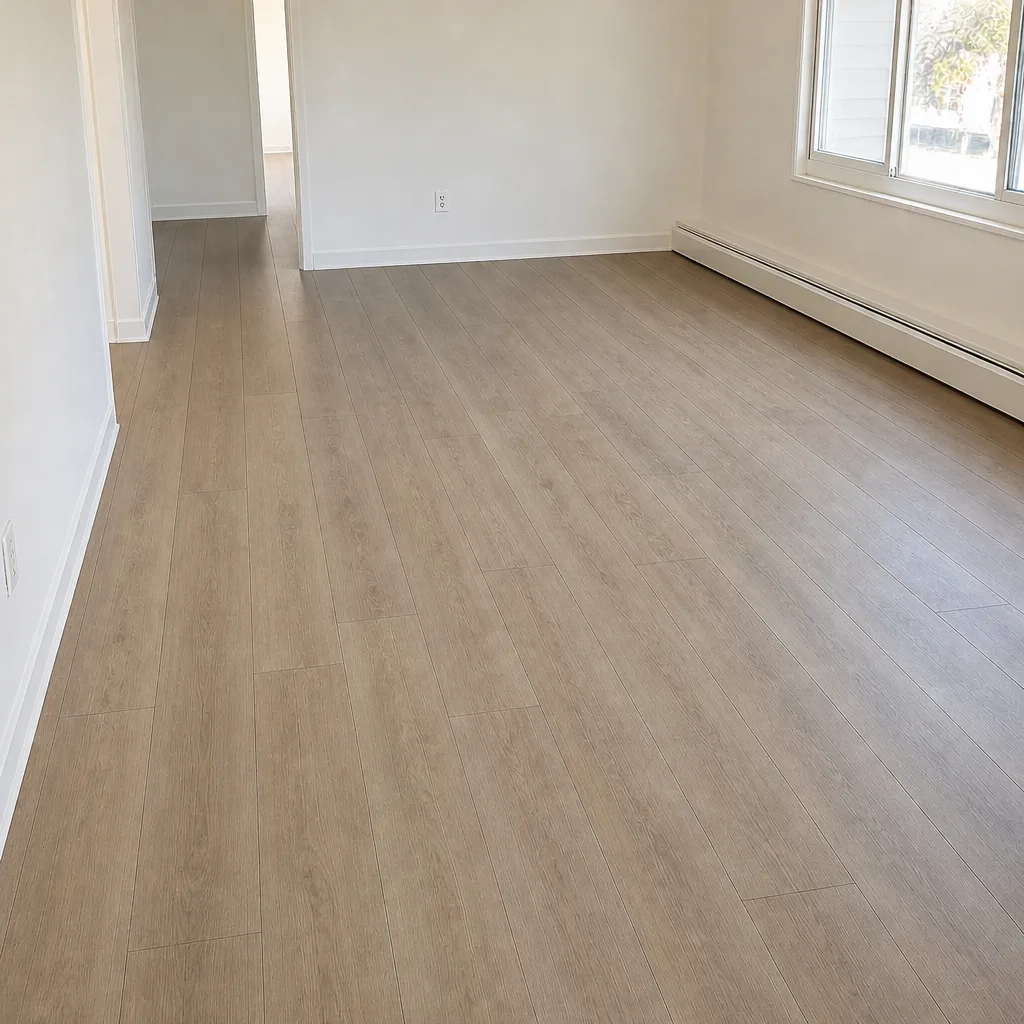
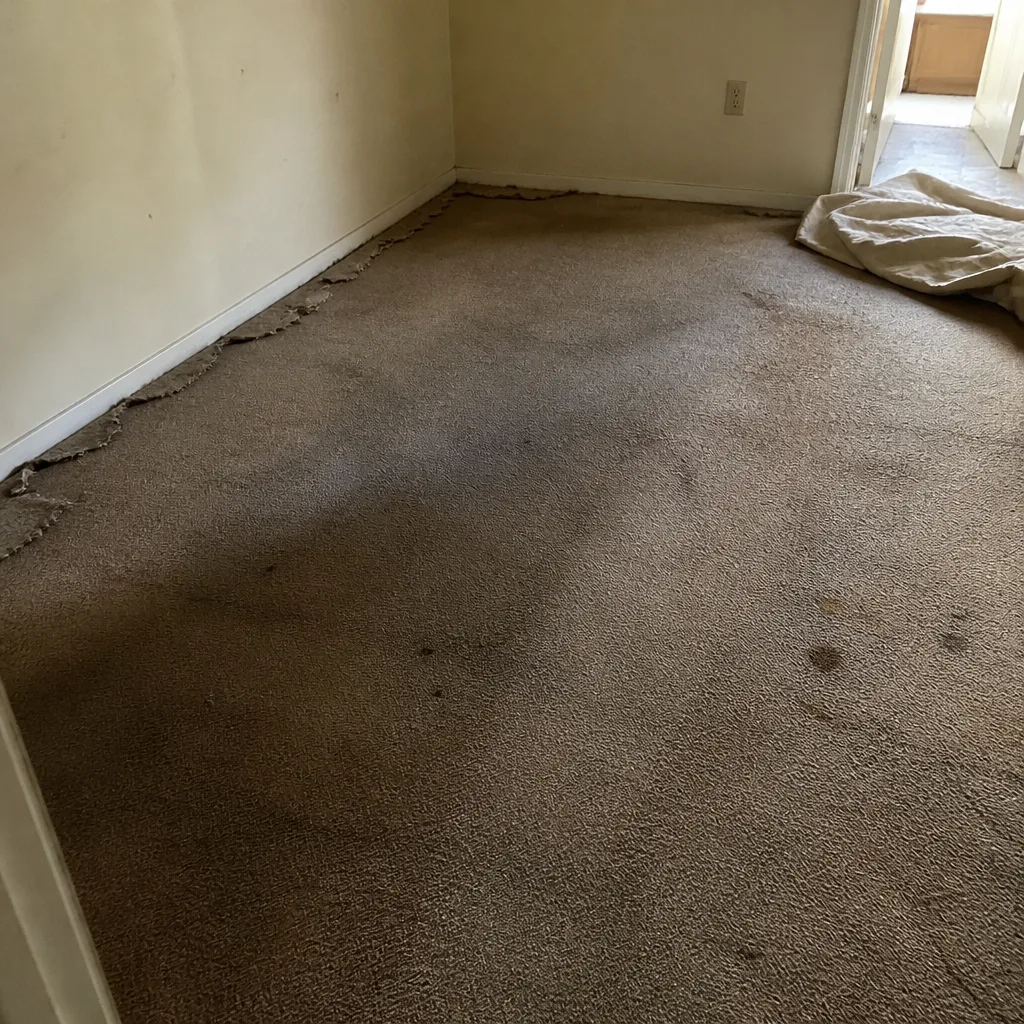
See the difference
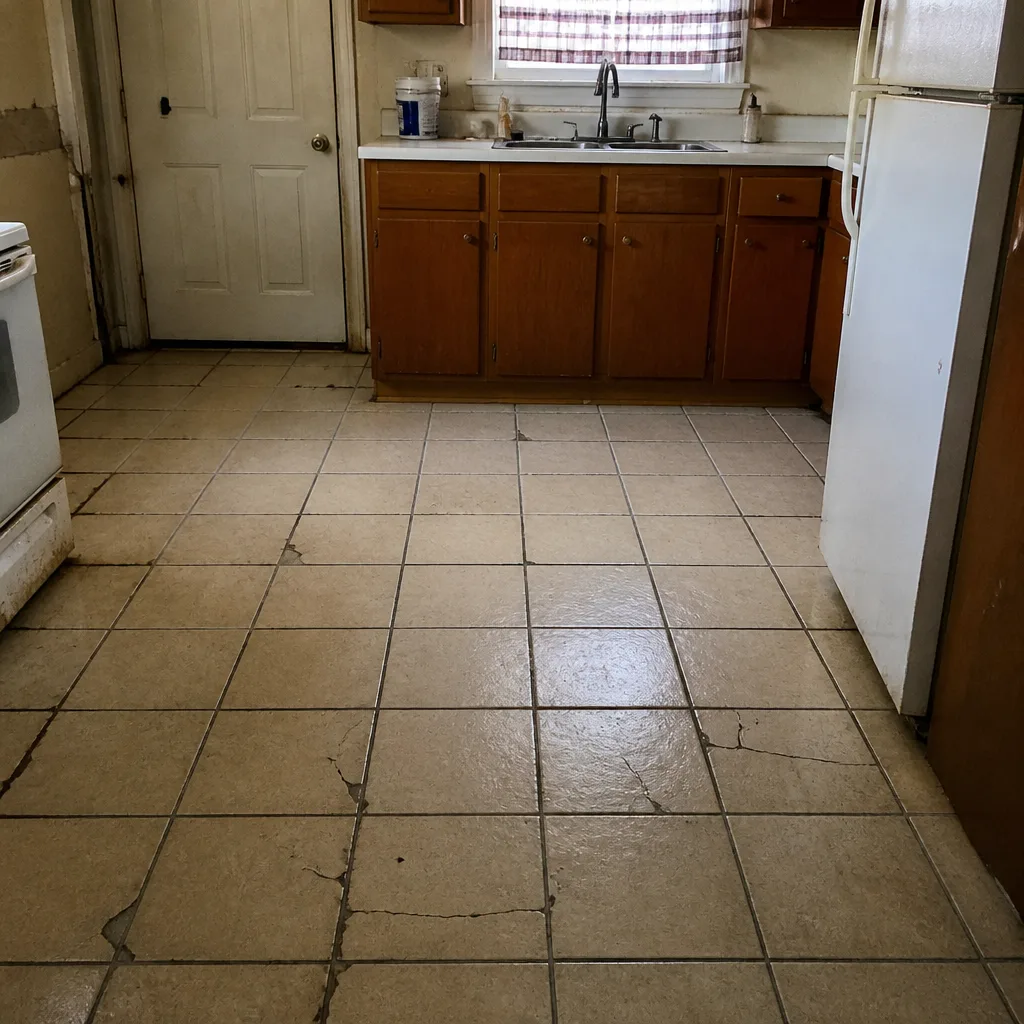 Before
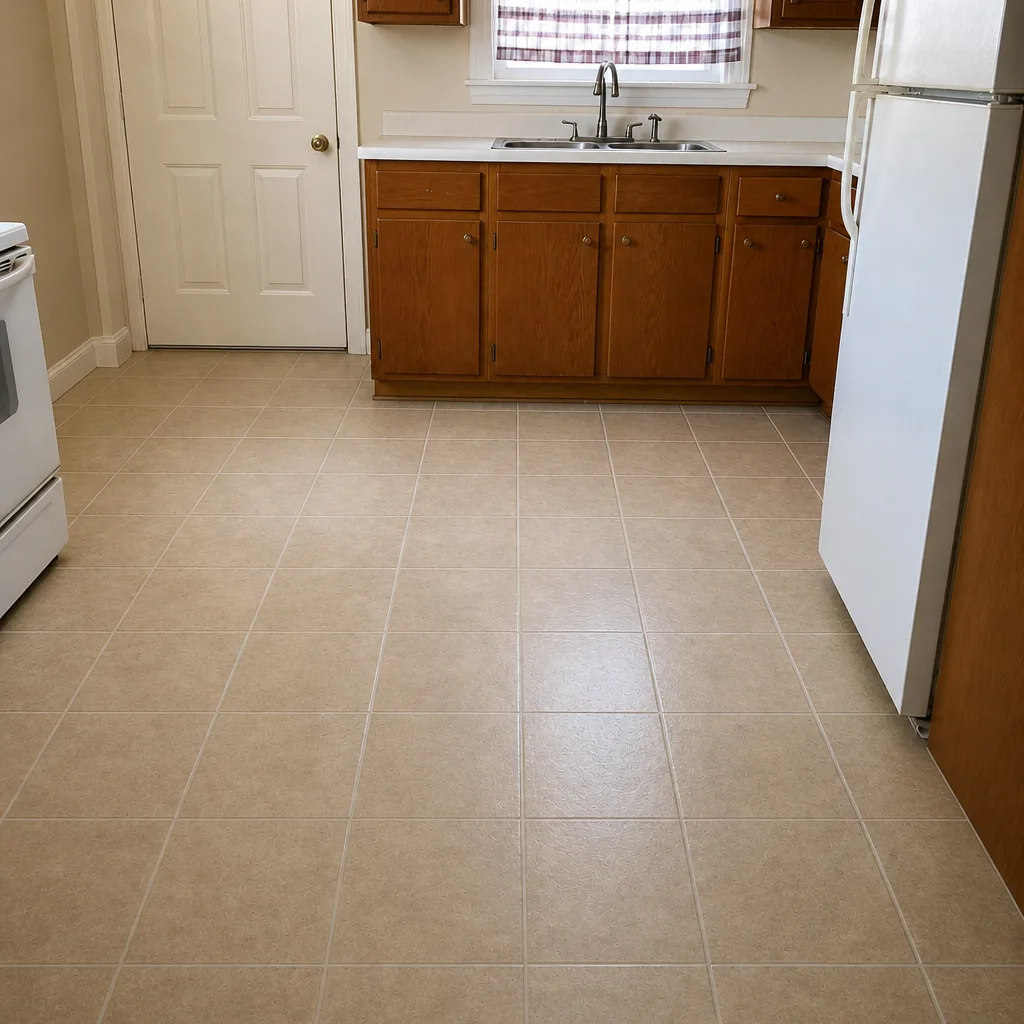 After
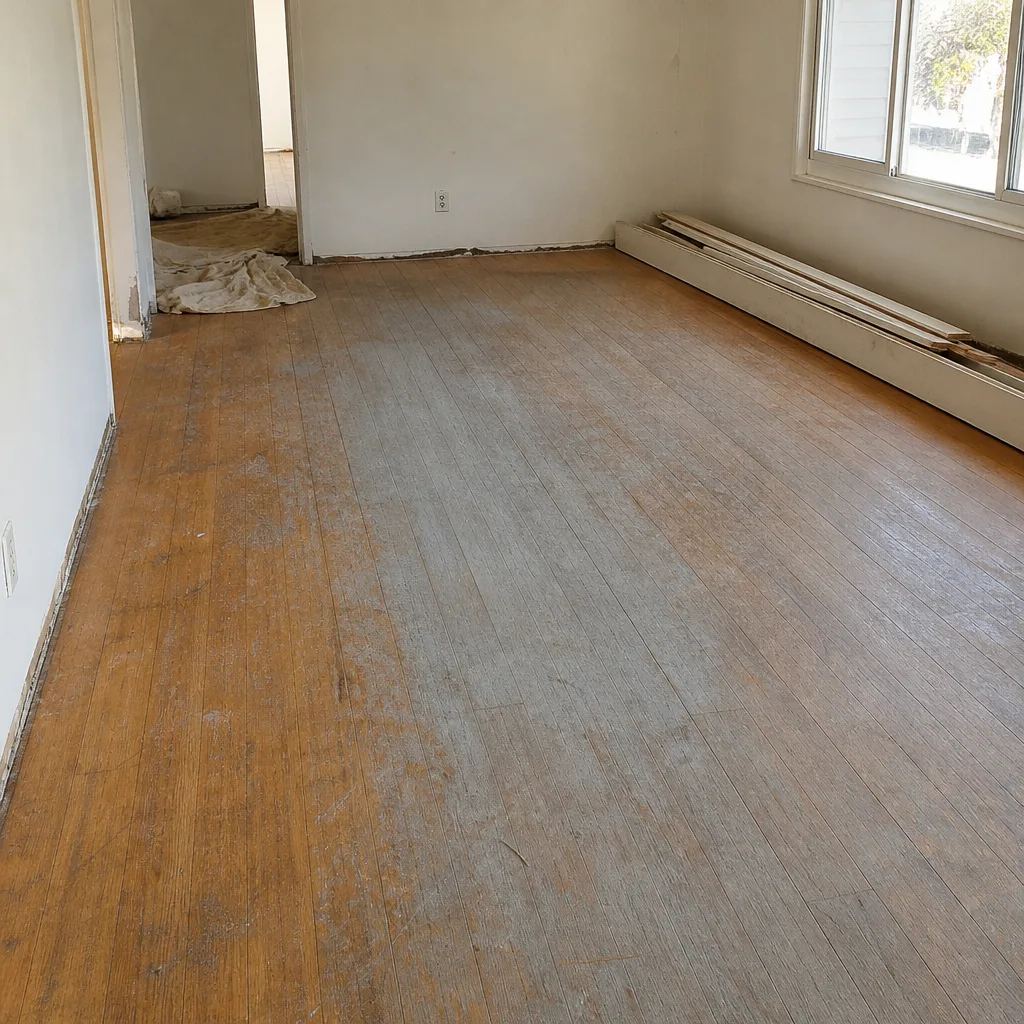 Before
 After
 Before
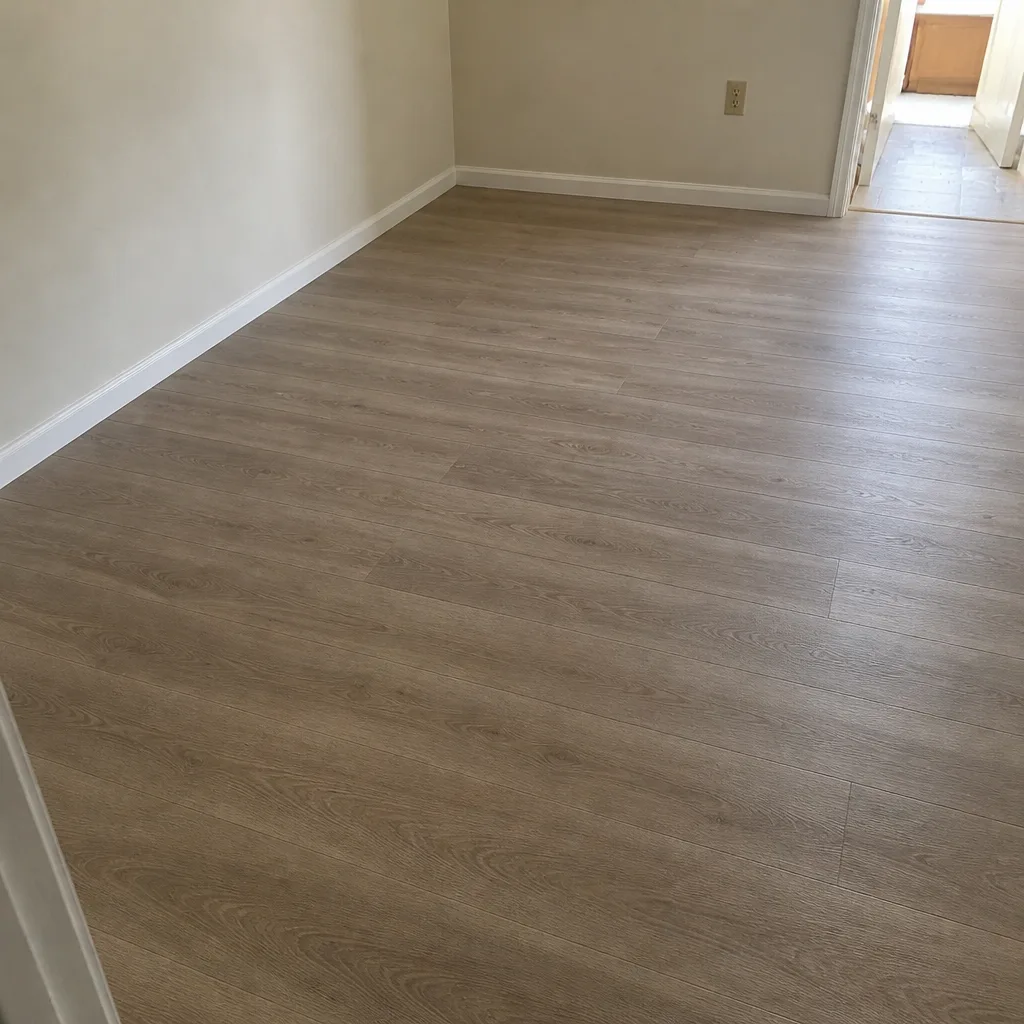 After
When to Call a Professional
Some floor problems are worth a professional look sooner rather than later. Call us if you’re seeing cupping or buckling along a wall, a soft or spongy spot underfoot, cracks spreading across a tile floor, or a carpet that’s worn through in a traffic lane. Call if you’re planning a room refresh, a full renovation, or new construction and want a written scope before you commit. Call if you’re unsure whether your existing hardwood can be refinished rather than replaced. Call if a previous installer’s work is failing and you want an honest assessment of what can be saved. Flooring Installation Sunrise Manor offers free estimates in Sunrise Manor. Call (855) 799-4650 to schedule yours.
Frequently Asked Questions
Yes. The in-home estimate in Sunrise Manor is free, and the written scope you receive sets the final price for the job. There’s no obligation to book work after the visit. Call (855) 799-4650 to schedule your free estimate.
A single room usually takes under half an hour, while a whole-home project can take an hour or more because every room gets measured and checked. The time depends on the number of rooms, how much prep is needed, and how many product options you want to discuss. Call (855) 799-4650 for an exact quote, estimates are free.
Clear a walking path through each room, have phone photos ready for any hard-to-access space, and be prepared to describe how each room is actually used. You don’t need to move heavy furniture or empty the house. Call (855) 799-4650 to schedule your free estimate.
It can, if the old floor comes up and reveals hidden subfloor damage or an unexpected extra layer, but a thorough in-home walkthrough catches most issues before you sign. Ask what the process is if something unexpected turns up, and get any change in writing. Call (855) 799-4650 for an exact quote, estimates are free.
Yes, if you have hardwood, the installer can check the thickness of the wood and its condition during the visit. Whether a floor can be refinished depends on both, and a stain match to a sample can’t be promised in advance. Call (855) 799-4650 to schedule your free estimate.
Yes. We handle carpet installation, tile flooring installation, and hardwood floor refinishing, with brand lines including Shaw, Mohawk, COREtec, Pergo, LifeProof, Mannington, Armstrong, Daltile, and Karndean. The estimate lets us match the product to your rooms and your budget. Call (855) 799-4650 for an exact quote, estimates are free.
The Bottom Line
A free in-home flooring estimate in Sunrise Manor is a diagnostic appointment, not a tape-measure formality. What an experienced installer notices on the walkthrough, from subfloor flatness and moisture signs to door clearance and traffic wear, shapes the price and the floor you’ll live on. Prepare your rooms, ask pointed questions about product experience, insist on a written scope, and understand which reasons for a price increase are legitimate. Do that, and you’ll get real value from the visit. Our technicians have up to 14 years of experience, and we’re ready to put it to work on your project. Call (855) 799-4650 for a free estimate. We answer 24/7. Fast dispatch from 7am to 7pm, Sunday through Friday.
Written by the team at Flooring Installation Sunrise Manor.