
Last updated November 18, 2026
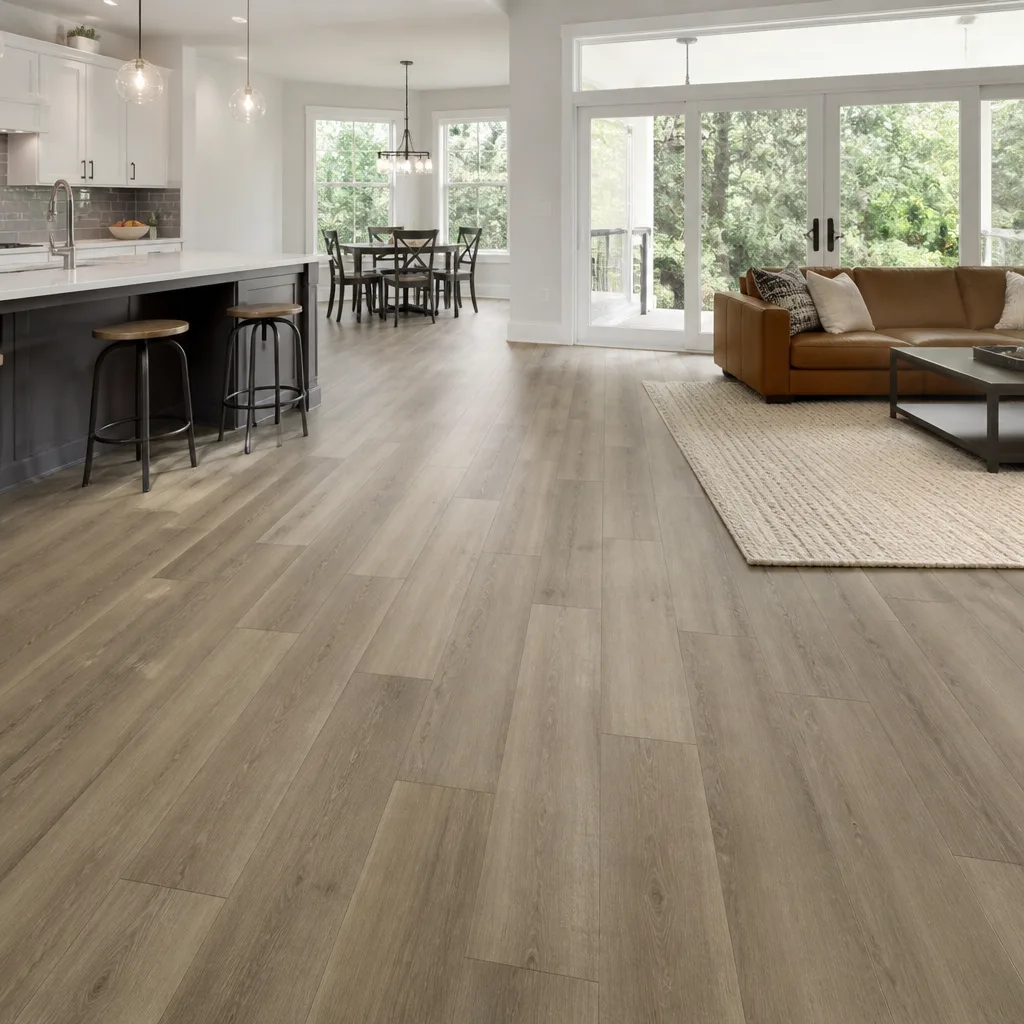 Luxury vinyl plank
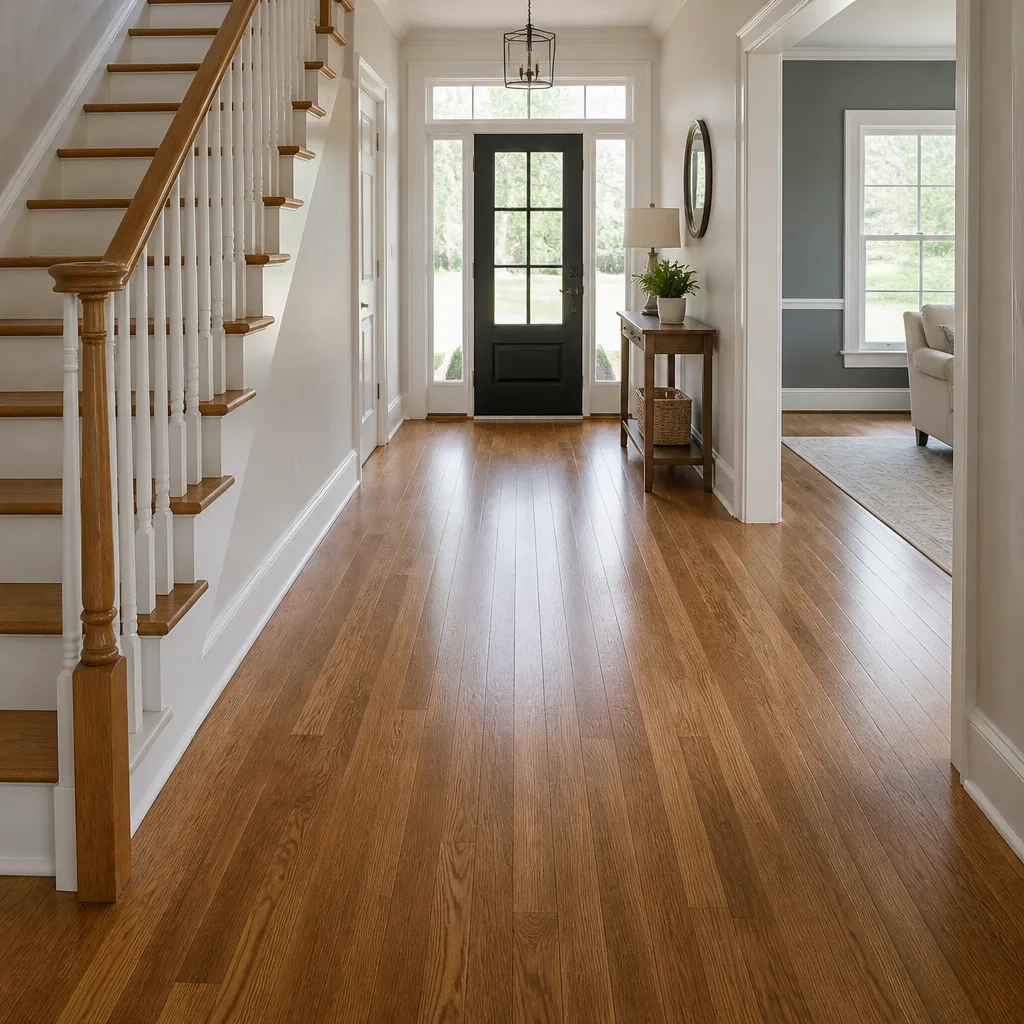 Hardwood
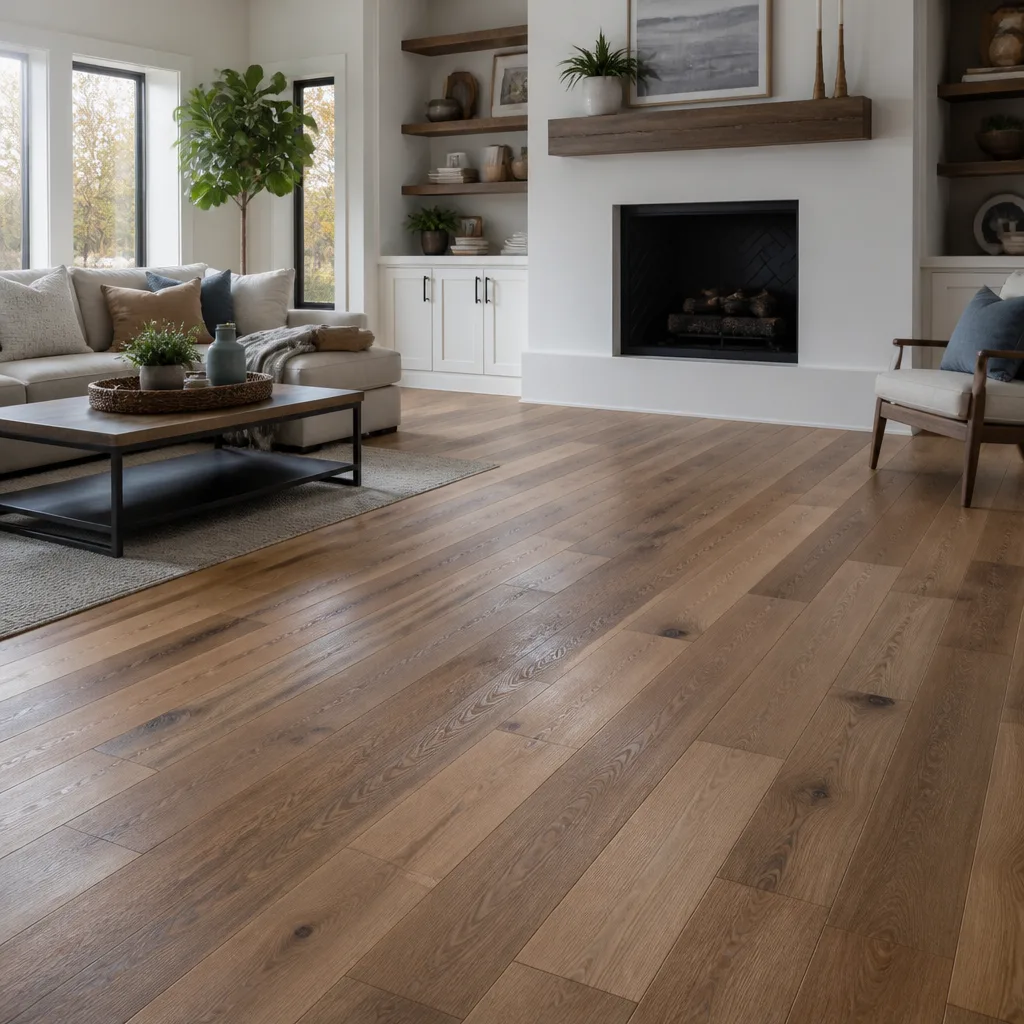 Engineered hardwood
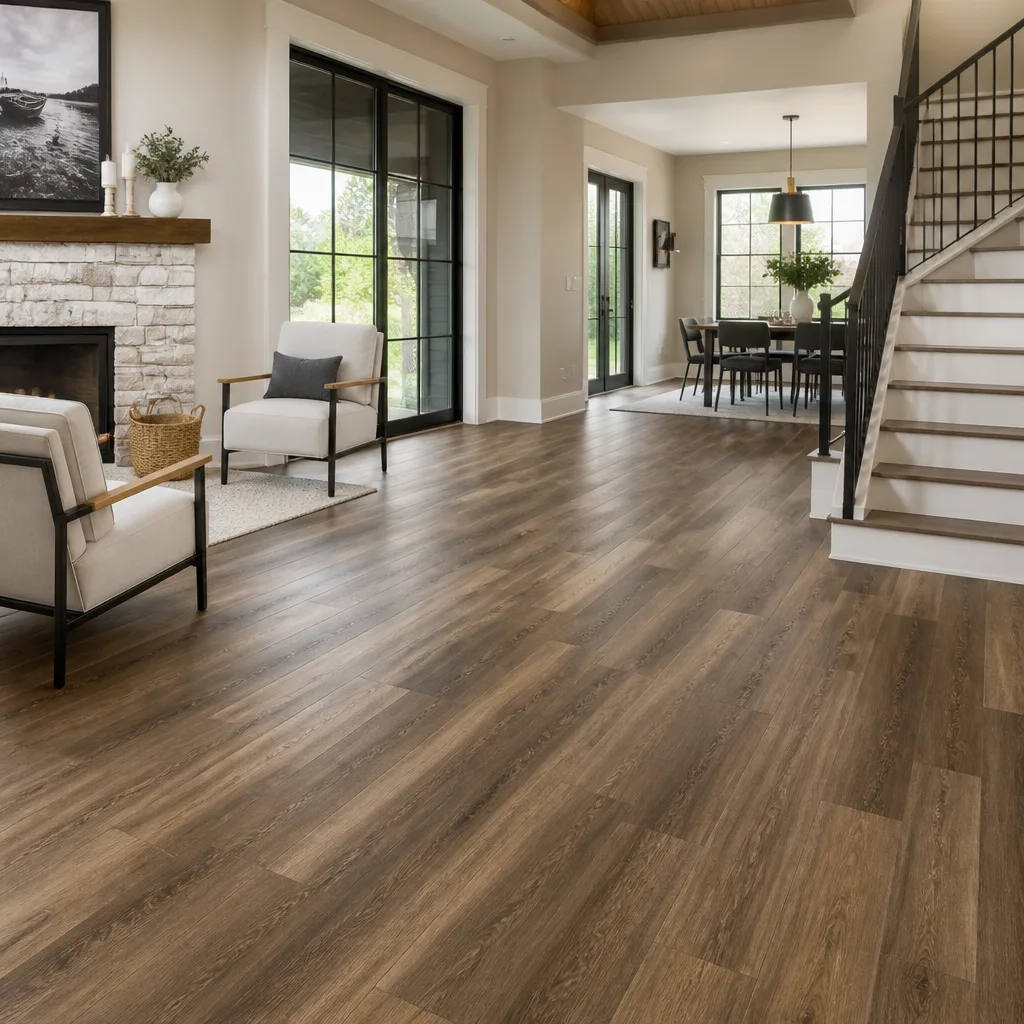 Laminate
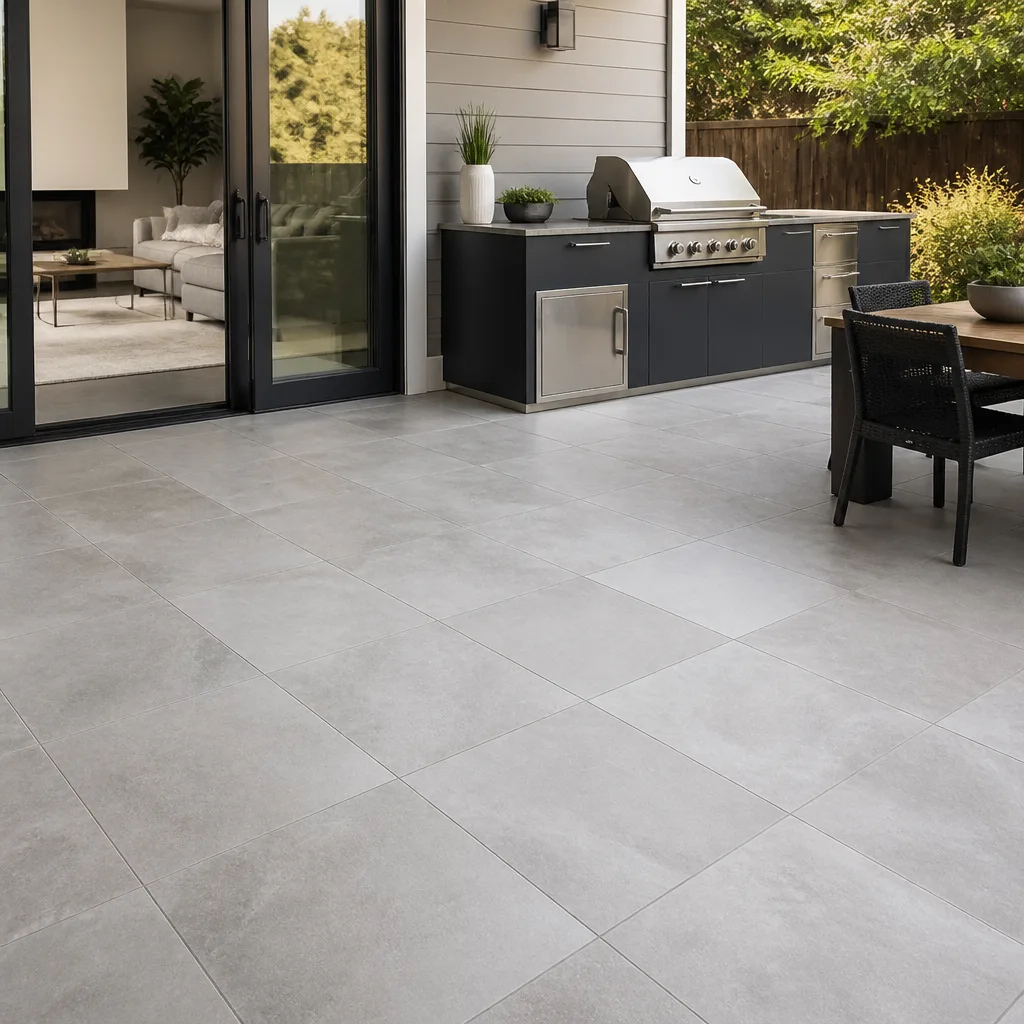 Porcelain tile
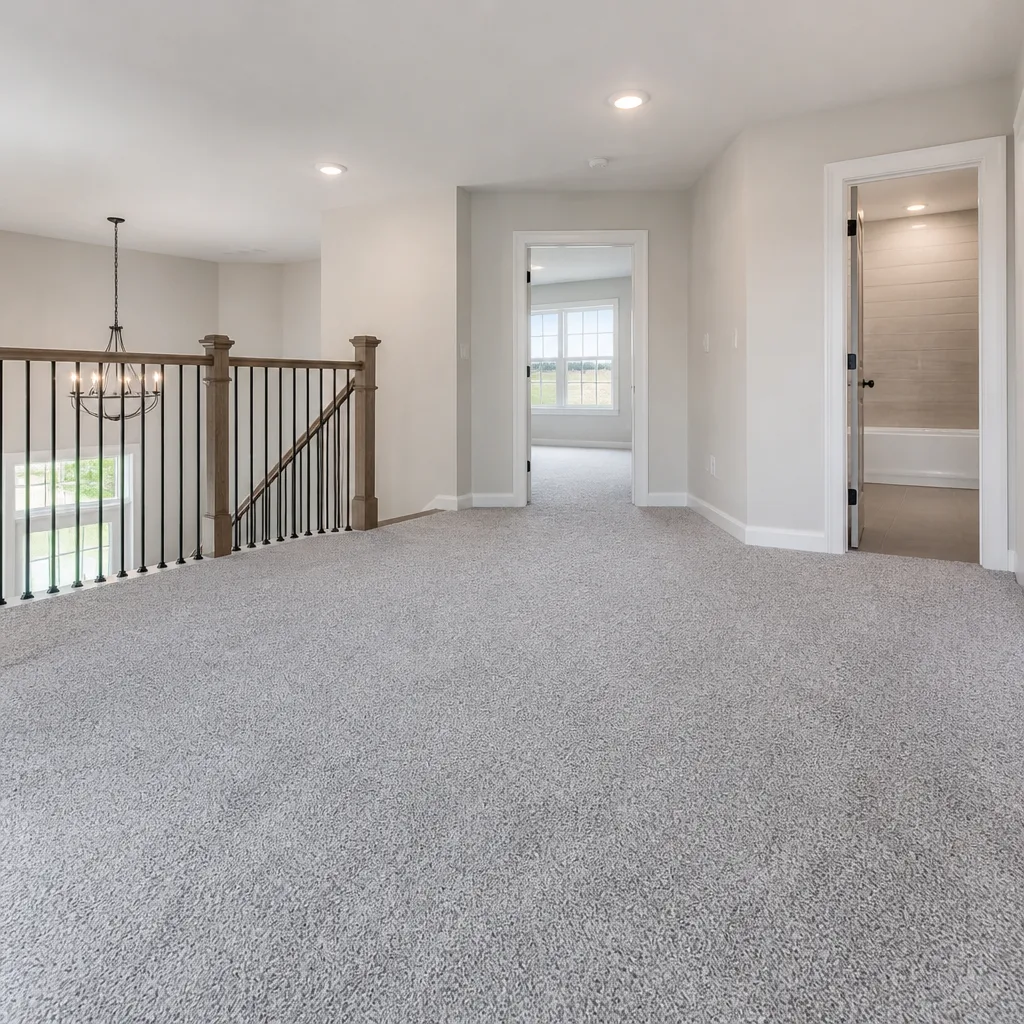 Carpet
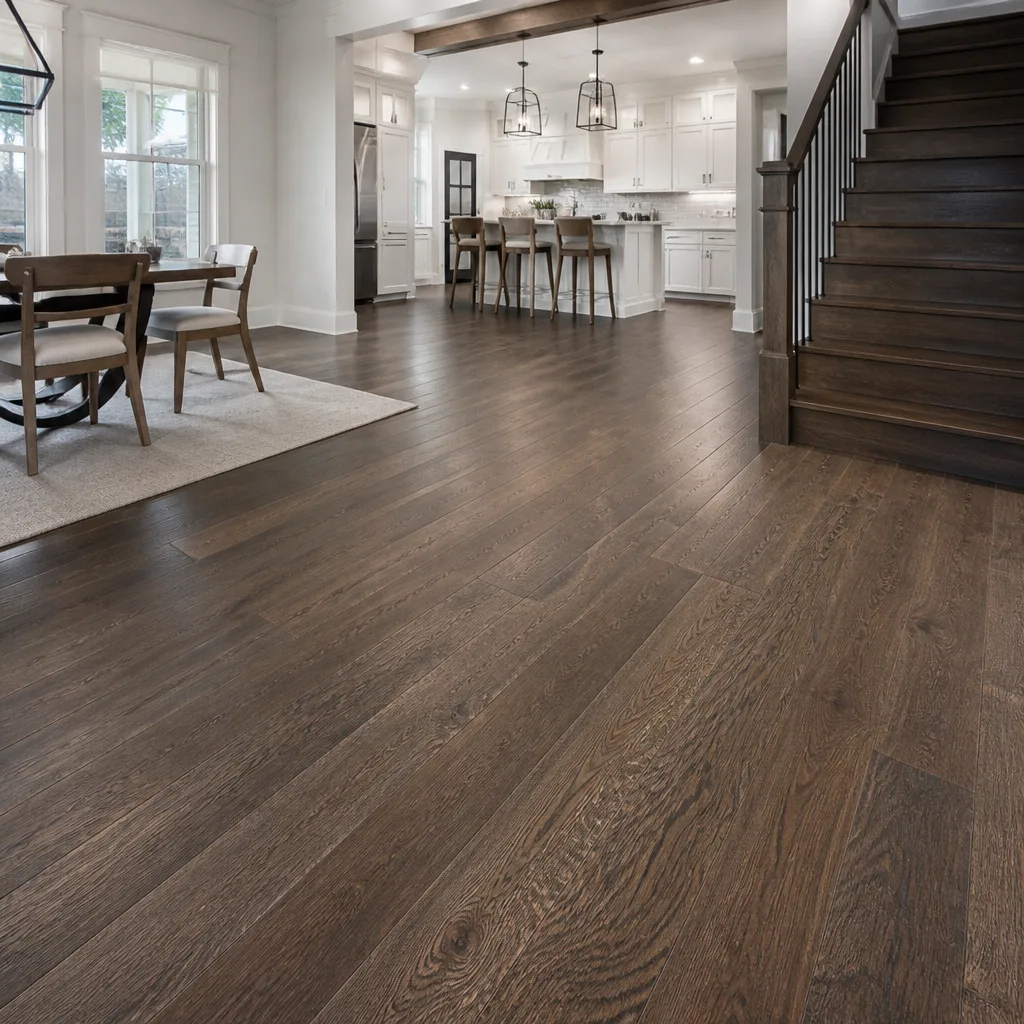 Shaw
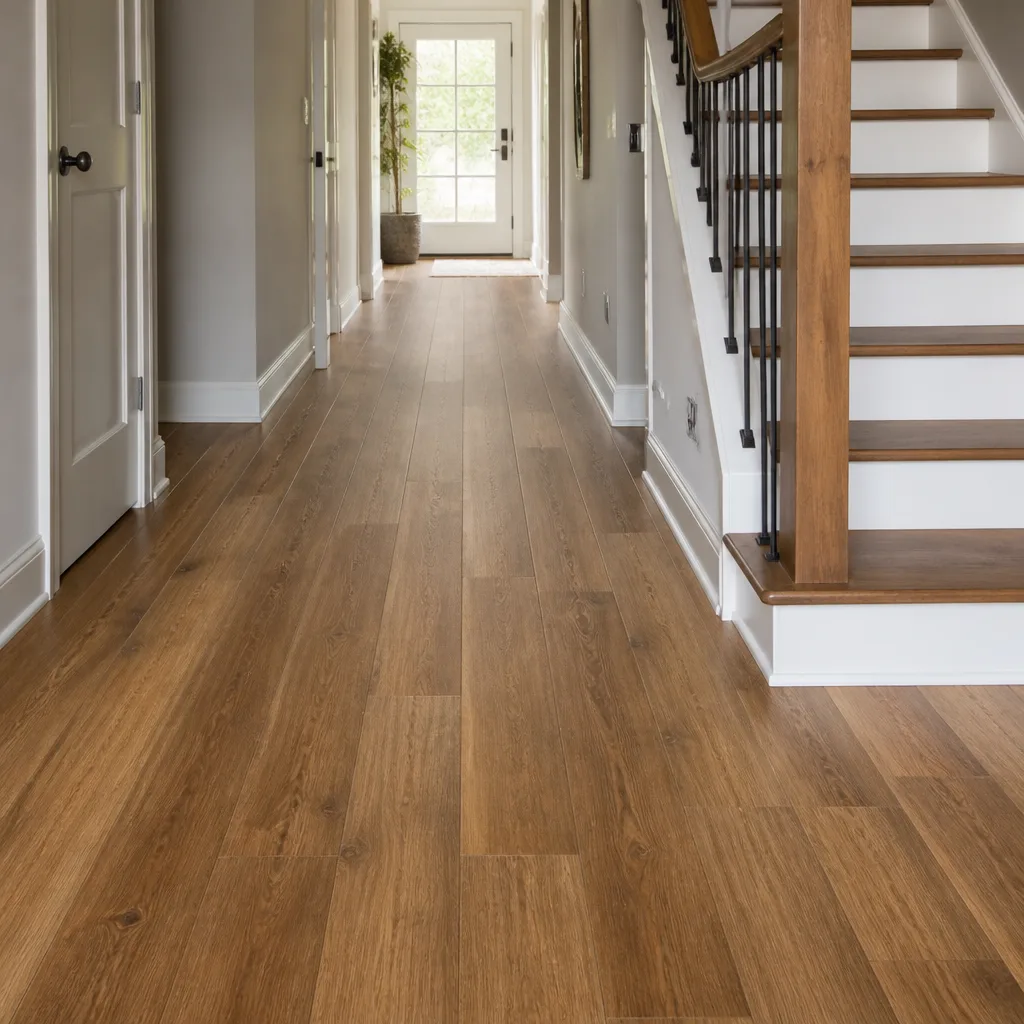 Mohawk
 COREtec
 Pergo
Free in-home measure and written estimate: Shaw, Mohawk, COREtec and Pergo lines compared on your own rooms, with carpet, tile, vinyl plank, laminate and hardwood laid out side by side
Get your free estimateHardwood, Vinyl Plank, Laminate or Tile: How Sunrise Manor Homeowners Decide
Solid hardwood is beautiful, and it can work in Sunrise Manor. But it asks for conditions most homes here can’t promise: steady indoor humidity, no direct slab contact without a proper barrier, and a homeowner willing to keep the HVAC running through the dry months and the monsoon season. That’s the conversation most sellers skip, and it’s the one that should come before you pick a color. In this guide we run each of the four main flooring materials through the same set of local stress tests: how it handles Sunrise Manor’s humidity swings, what happens over a concrete slab, what it costs to own over ten years, and how it feels and grips underfoot. By the end you’ll know which material fits the way you actually live here, not the way a showroom makes it look.
Quick Answer
For most Sunrise Manor homes, the defensible answer is engineered hardwood or a quality luxury vinyl plank if you want a wood look, tile in wet and high-traffic zones, and laminate only where budget and dry conditions line up. Solid hardwood can work here, but it needs disciplined indoor humidity control and a real moisture barrier over slab. The right pick depends on which of those conditions your home can actually hold, which is exactly what we check at the estimate.
Styles & brands we work with
- Hardwood
- Engineered hardwood
- Luxury vinyl plank
- Laminate
- Porcelain tile
- Carpet
- Shaw
- Mohawk
- COREtec
- Pergo
Table of Contents
- How do these floors handle Sunrise Manor’s humidity swings?
- What about the concrete slab and moisture vapor?
- A material-by-material check: hardwood, engineered, vinyl plank, laminate, tile
- What’s the realistic 10-year cost of each option?
- Slip resistance, warmth, and comfort underfoot
- Where the big brands fit (Pergo, LifeProof, Mannington, Armstrong)
- How to decide in order: a step-by-step method
- Common mistakes to avoid
- When to call a professional
- Frequently asked questions
How do these floors handle Sunrise Manor’s humidity swings?
Sunrise Manor runs very dry through the winter and, during the summer monsoon season, sees humidity that climbs fast with afternoon storms. Indoor relative humidity in a typical home can swing a lot between those extremes, and floors respond to it. That swing is the single biggest driver of the problems we get called about here.
Wood, both solid and engineered, moves as humidity changes. When the air dries out, the floor shrinks and gaps appear between boards. When it gets humid, the wood expands and, if it’s pinned tight against a wall or a cabinet, it can cup, buckle, or push. That’s why wood floors need an expansion gap at the perimeter and, ideally, indoor humidity kept in a reasonable band year-round. That means running the HVAC in the dry months, not just in summer, and possibly a whole-home humidifier.
Laminate and luxury vinyl plank are dimensionally far more stable, so gapping and cupping are less of a story. The failure mode for them is different: cheap or poorly installed plank can still separate at the seams with temperature swings and slab movement, and water sitting on an edge can reach the core. “Water-resistant” is not “waterproof from below.” Standing water and moisture coming up through a slab always have to be dealt with.
Tile is the least sensitive to humidity. A properly installed porcelain or ceramic floor barely notices the swing in the air. What tile cares about is movement in the substrate and the quality of the mortar and grout, which is a different conversation we cover below.
- Solid hardwood: most sensitive to humidity swings; needs perimeter gaps and indoor humidity control.
- Engineered hardwood: more stable across layers; still respects moisture, but tolerates changes better.
- Laminate: stable in the air; sensitive at seams and edges if water gets in.
- Luxury vinyl plank: very stable; handles humidity well, still needs a dry, sound slab.
- Tile: barely affected by humidity in the air; performance depends on substrate and install.
What about the concrete slab and moisture vapor?
Most Sunrise Manor homes sit on a concrete slab, and most of the decision hinges on one thing you can’t see: moisture vapor coming up through that slab. Concrete is porous. Even a slab that looks and feels dry can pass water vapor from the ground below into your flooring, and the problem shows up months later as cupping wood, peeling adhesive, or a laminate core that swells.
Here’s how the four categories behave over a slab:
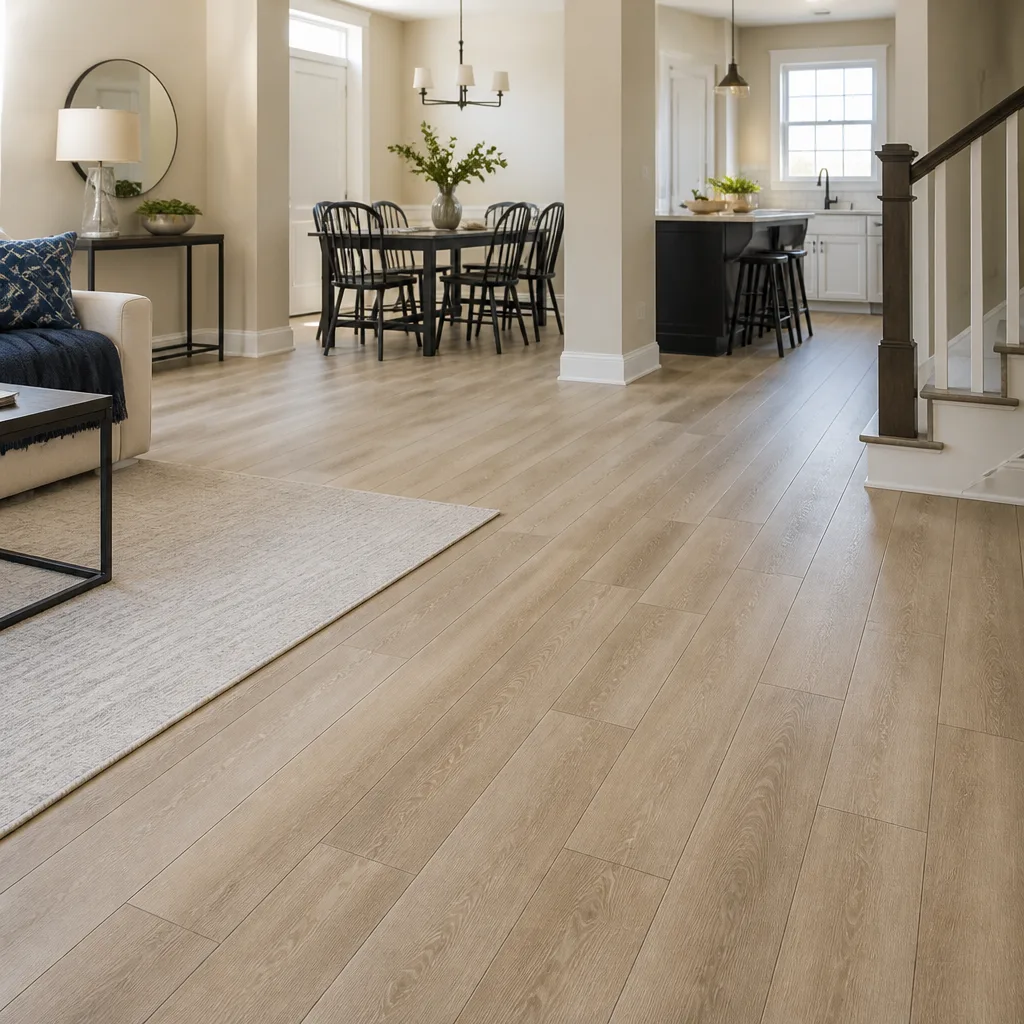
- Luxury vinyl plank: generally friendly to a direct-glue or floating install over slab, provided the slab is dry, clean, and flat enough for the product. This is the low-risk option if moisture is a worry but not severe.
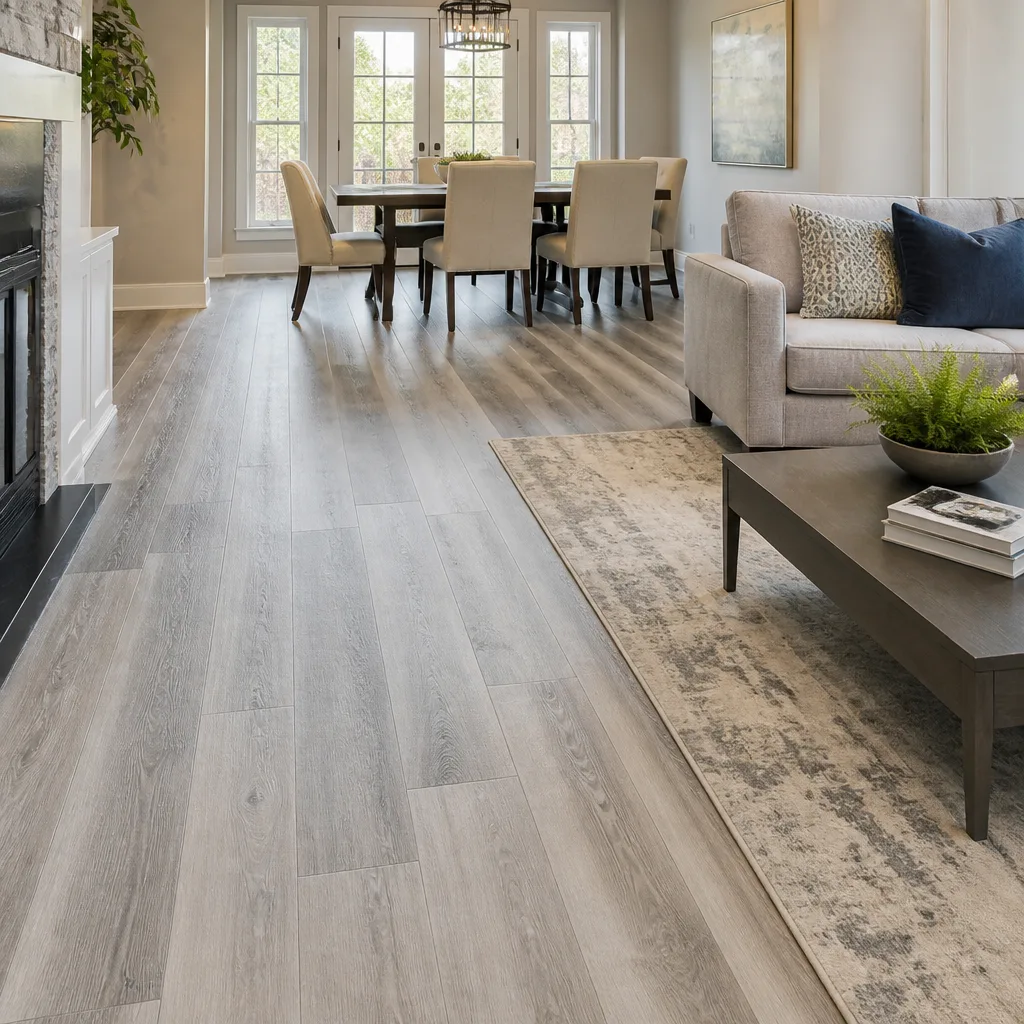
- Laminate: often installed floating with an underlayment that includes a built-in vapor retarder, which is why it’s a common slab choice. But if moisture levels are high, the underlayment alone may not be enough.
- Engineered hardwood: can go over slab with a proper moisture barrier and the right adhesive system, which is one reason it occupies a sweet spot for Sunrise Manor homeowners.
- Solid hardwood: the tricky one over slab. It typically needs a vapor barrier and often a plywood subfloor built over the slab to isolate it, which changes the budget and the height of the finished floor. Sometimes a glue-down install is possible, but it depends on the product and the slab conditions.
- Tile: very compatible with slab, but still wants a clean, sound, properly primed surface and a mortar system matched to conditions.
The point is simple: before you pick a material, the slab gets tested for moisture and flatness. No one can tell you the right floor without that information. Skip it and you’re guessing.
A material-by-material check: hardwood, engineered, vinyl plank, laminate, tile
Let’s walk each option through the same tests, in plain terms.
Solid hardwood. Wood through the full thickness, sanded and finished on site, and refinished for a fresh look when the surface wears. It’s the material that can be sanded back and restored multiple times, which is its long-term advantage. Its handicap here is dimensional movement. If your home keeps humidity reasonably steady, it’s a beautiful, durable floor. If not, you’ll fight gaps and cupping. Let’s be careful: not every wood floor can be refinished, and whether a stain matches a sample depends on the wood’s thickness and condition, which we check at the estimate.
Engineered hardwood. A real wood wear layer over a plywood core, which gives it much better dimensional stability than solid wood. It can be installed over slab with the right barrier, and it tolerates Sunrise Manor’s swings better. This is the sweet spot for homeowners who want genuine wood underfoot without the strict conditions solid wood demands.
Luxury vinyl plank (LVP). A printed, textured vinyl surface over a core. Brands like COREtec and LifeProof sit at the water-resistant, easy-care end. It’s stable, forgiving, and a sensible pick in laundry rooms, kitchens, and anywhere a spill is likely. The tradeoff: it can be refinished, but individual damaged planks usually get replaced rather than sanded.
Laminate. A photographic wood or stone image over a high-density core. Modern laminate looks far better than the early versions, and brands like Pergo and Mannington have refined the look and seam quality. It’s a budget-friendly, durable surface, though it doesn’t like standing water and can’t be refinished.
Tile. Ceramic and porcelain, from brands like Daltile, set with mortar and grout. Nearly impervious to humidity and spills, tough, and easy to clean. Its downsides are hardness, coldness, and grout that needs care over time. Small-format tile in a bathroom or entry, porcelain plank tile across a whole room, or a tile inlay in a wood floor all have their place.
What’s the realistic 10-year cost of each option?
Comparisons a competitor page won’t give you: the sticker price isn’t the whole story. Over ten years, each material has its own maintenance and replacement cycle, and that’s where the real difference emerges. Below is how to think about it, without pretending any of these numbers are settled until we’re on-site.
- Solid hardwood: initial cost is high. Refinishing along the way restores the surface and postpones replacement, which is the value part. Ten-year cost depends heavily on whether you refinish once.
- Engineered hardwood: typically lower initial cost than solid wood. Refinishing depends on wear-layer thickness, so not every engineered floor can be sanded; the ten-year cost depends on that.
- Luxury vinyl plank: moderate initial cost. Individual planks in high-traffic areas can be replaced, and a full re-cover over ten years is common if the floor sees hard use.
- Laminate: often the lowest initial cost. Long life if it stays dry; replacement is the main cost when it wears or water gets in.
- Tile: higher initial cost per square foot, but very long life. Grout resealing and occasional tile or grout repair are the recurring items.
A useful way to write it down: list the initial cost, the refinish or re-cover cost for each material, and the expected cycles for your household. Ten-year cost is the sum of the install plus those maintenance cycles, not the install alone. Because prices shift with product line and job size, we quote each job with a written estimate that sets the final price. That estimate is free.
Slip resistance, warmth, and comfort underfoot
Materials feel different, and what matters depends on who’s walking on them. Here’s the honest ranking across the four categories.
Slip resistance. Bare polished tile and freshly finished hardwood are the slickest when a little moisture is on them. Textured luxury vinyl plank and laminate offer more grip, and tile with a texture or a matte glaze also grips better. If there are children learning to walk or older adults, grip matters more than gloss. Tile in a bathroom should be a textured or small-format surface, and a mat in wet zones helps regardless.
Comfort and warmth. Carpet is the warmest and softest; among hard surfaces, vinyl plank and laminate feel softer than tile, and engineered wood sits between. Tile is the hardest and coolest underfoot, which is welcome in summer and a reason for mats or rugs in winter. This isn’t a small detail for a household with a baby or a dog that spends time on the floor.
Underlayment matters. A quality underlayment under a floating luxury vinyl plank or laminate adds comfort and dampens sound without changing the look.
Durability under foot traffic. Hard flooring in any category wears where people walk. The best defense is a good entrance mat, grit swept up regularly, and moving a rug occasionally so the wear is even. In our experience the maintenance is more decisive than the material choice over a decade.
Where the big brands fit (Pergo, LifeProof, Mannington, Armstrong)
Brand isn’t the whole decision, but on a floor you’ll live with for years it helps to know the reputation and the category each brand is known for. We install brands like Pergo, LifeProof, Mannington, and Armstrong, and each has a place in the portfolio. We’re a flooring specialist, so we can put any one of them in and stand behind the install. What we won’t do is push a specific line because it happens to be on a pallet.
- Pergo: widely known for laminate and for luxury vinyl lines with the look of real wood. A common choice for a budget-conscious homeowner who wants a realistic wood image and solid wear.
- LifeProof: a durable luxury vinyl line, often at the value end of the LVP category. Good for households that want a tough, low-maintenance floor.
- Mannington: a brand with options across laminate, luxury vinyl, and hardwood, so it’s useful when you’re comparing looks and want a real wood or a faithful replica under the same name.
- Armstrong: a long-standing name with both laminate and vinyl options, and a range of realistic wood and stone looks.
The right move is to decide what you need the floor to do before you look at a brand. Grip, water-risk, budget, comfort, and the long-term plan all point toward a category first; the brand follows. Product warranties and wear ratings are set by the manufacturer, so read the literature for the specific line you’re considering. What we can promise is a proper install and a floor that behaves the way we told you it would.
How to decide in order: a step-by-step method
Rather than comparing swatches in the abstract, run the decision in this order. It narrows to one or two materials fast.
- List the rooms and what happens in them. Kitchens, baths, and laundry are wet zones; living rooms and bedrooms are dry zones; entries see grit and traffic. That list usually rules out one or two materials immediately.
- Check the slab or subfloor. Is it a concrete slab, and is it dry, flat, and sound? This is the step most homeowners skip, and it’s the one that determines which materials are even on the table.
- Check the indoor humidity pattern. Does the home run the HVAC through the dry months, and can it keep a reasonable band? If not, engineered hardwood and luxury vinyl plank become safer bets than solid hardwood.
- Weigh comfort and grip. Young kids, older adults, a dog: comfort and traction tip the scale toward carpet or textured vinyl in the rooms that matter most.
- Plan the ten-year cost. Initial price plus refinishing or re-cover cycles plus grout care. Write it down; the cheapest today often isn’t the cheapest over a decade.
- Pick the look and the brand last. Once the category is set, you can choose life-proof luxury vinyl, a Pergo laminate, a Mannington engineered wood, or a Daltile porcelain with confidence, because the material logic already made the decision.
We work through this method with every homeowner at the estimate, room by room. That’s part of the free written estimate, and it’s the most useful part of the visit.
Common Mistakes to Avoid
- Picking the material before the slab test. Slab moisture and flatness determine what can go down. Dry clean concrete still needs checking, and skipping it is the single most common cause of callbacks.
- Saying “waterproof” for any floor. Water-resistant and waterproof are different things, and standing water or moisture from below is a separate problem no material solves on its own. Deal with the moisture, then pick the floor.
- Installing solid hardwood with no humidity plan. Sunrise Manor’s dry winters will open gaps in a solid wood floor, and monsoon-season humidity can cup it. If you love solid wood, plan for HVAC discipline and perimeter gaps.
- Forgetting the monsoon season. The rooms most exposed to the humid summer air, or a home with a window that’s often open, will see the biggest swings. Budget for a humidifier or a dehumidifier in extreme conditions.
- Choosing the look last because it photographs well. A glossy tile or fresh-finish wood is gorgeous in a photo. Under foot with a toddler, grip and warmth may matter more than the finish.
- Buying on sticker price only. The ten-year cost includes maintenance and re-cover. A floor that needs a re-cover in six years costs more than a cheaper-looking one that doesn’t.
- Installing over a soft or uneven substrate. Flatness and soundness matter for every category. A floor that’s flat enough for tile is a different standard from one for floating vinyl, and the wrong choice shows up as cracks or hollow spots.
When to Call a Professional
Some things are clear calls. If the slab has visible cracks that are growing, or if old flooring has lifted or cupped, bring in a professional who can test for moisture and assess the substrate. If you’re planning a whole-home finish across multiple rooms and plan to mix materials, the seams and transitions between tile, vinyl, and wood are where mistakes happen; a flooring specialist can plan them in. If you’re refinishing an old hardwood floor and don’t know the wear-layer thickness, that’s a check best done by someone who does it. And if you’re comparing two or three materials and can’t decide, the honest advice at a free estimate beats any chart. Flooring Installation Sunrise Manor offers free estimates in Sunrise Manor; call (855) 799-4650 to schedule yours.
Frequently Asked Questions
For most slab homes here, luxury vinyl plank is the lower-risk choice because it’s very stable and can be glued or floated directly over a properly prepared slab. Laminate works too, especially with a vapor-retarder underlayment, but it’s more sensitive at seams if moisture gets in. The deciding factor is the slab’s measured moisture, which we check at the estimate.
Yes, but it comes with conditions most homes can’t guarantee without planning: steady indoor humidity through the dry months, perimeter expansion gaps, and a proper moisture barrier over slab. If your household can hold those, solid hardwood is a beautiful, durable floor. If not, engineered hardwood gives you real wood with better stability. Call (855) 799-4650 to talk through your home’s setup; estimates are free.
It shrinks. Boards move apart and small gaps appear at the seams, and in a severe case the whole floor can loosen or cup. The fix is indoor humidity control, not a different wood. Keeping the HVAC running and adding moisture to the air in the dry months is the reliable answer.
There’s no single best, but it’s a real tradeoff. Carpet is warm and very forgiving but harder to clean in wet zones. Textured luxury vinyl plank gives good grip and easy cleanup. Tile is the hardest and slickest underfoot, so if you choose it in living areas, plan a mat or rug and a textured surface in wet zones.
It depends on the product and the household, not on a single number we can quote. Hardwood can be refinished and kept for many years; refinishing depends on the wood’s thickness and condition, checked at the estimate. Luxury vinyl and laminate have a long life with care but get replaced when worn or water-damaged. Tile can last a very long time with grout upkeep.
The dry-winter, wet-monsoon swing and the prevalence of concrete slabs. Both change the answer. Homes on a slab need the moisture test before anything else, and wood floors need a humidity plan for the dry months. That’s why the floor that works on paper in a showroom may not be the one that works in your Sunrise Manor home. Call (855) 799-4650 for a free estimate.
The Bottom Line
There’s no universal winner among hardwood, vinyl plank, laminate, and tile. In Sunrise Manor, the right floor is the one that matches your slab conditions, your humidity habits, the rooms it’s going in, and your ten-year plan. Engineered hardwood and luxury vinyl plank lead for most slab homes; tile earns its place in wet zones; laminate is a solid budget pick where water is controlled; solid hardwood is beautiful when you’re ready to support it. If you want to sort out which category your home can hold, we’ll bring the tools and tell you straight. Start with a free estimate from Flooring Installation Sunrise Manor.
We answer 24/7. Fast dispatch from 7am to 7pm, Sunday through Friday, closed Saturday. Call (855) 799-4650 to schedule your free estimate.
Written by the team at Flooring Installation Sunrise Manor.
See the difference
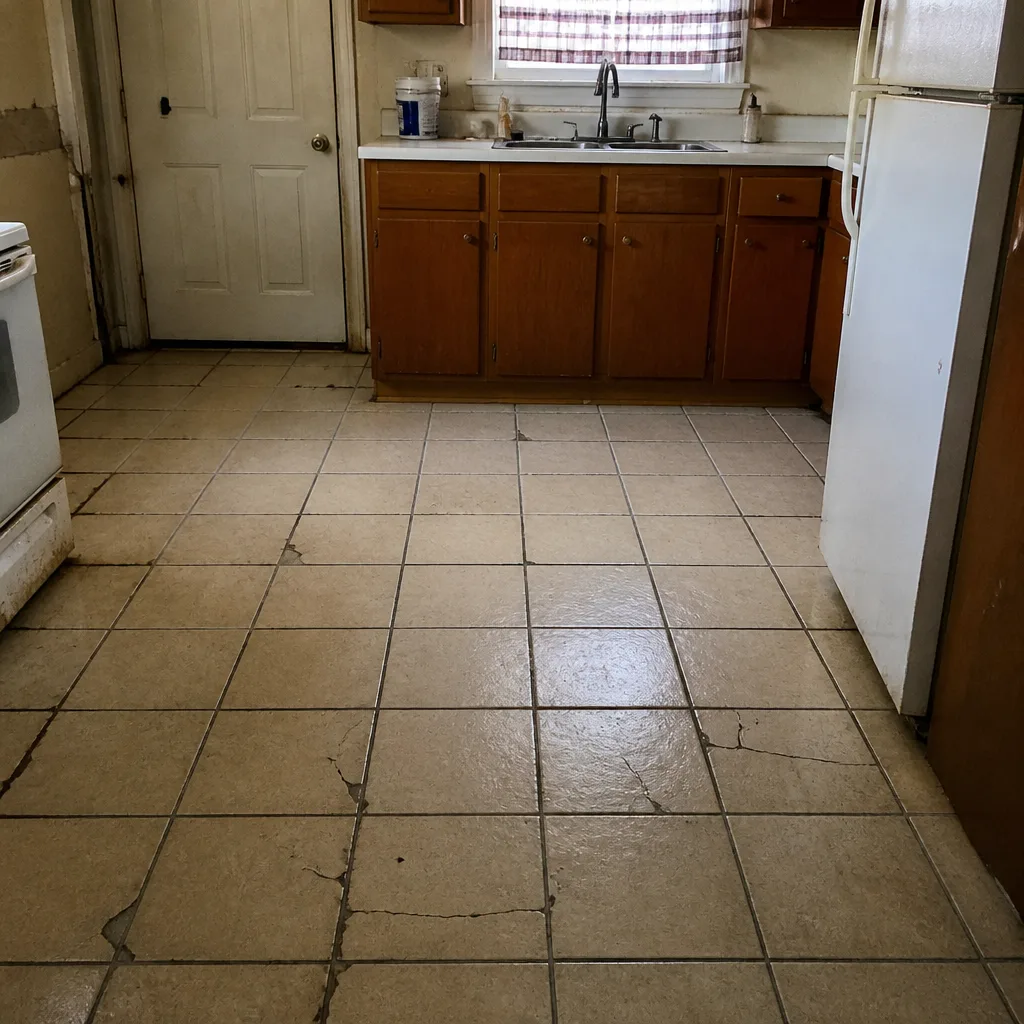 Before
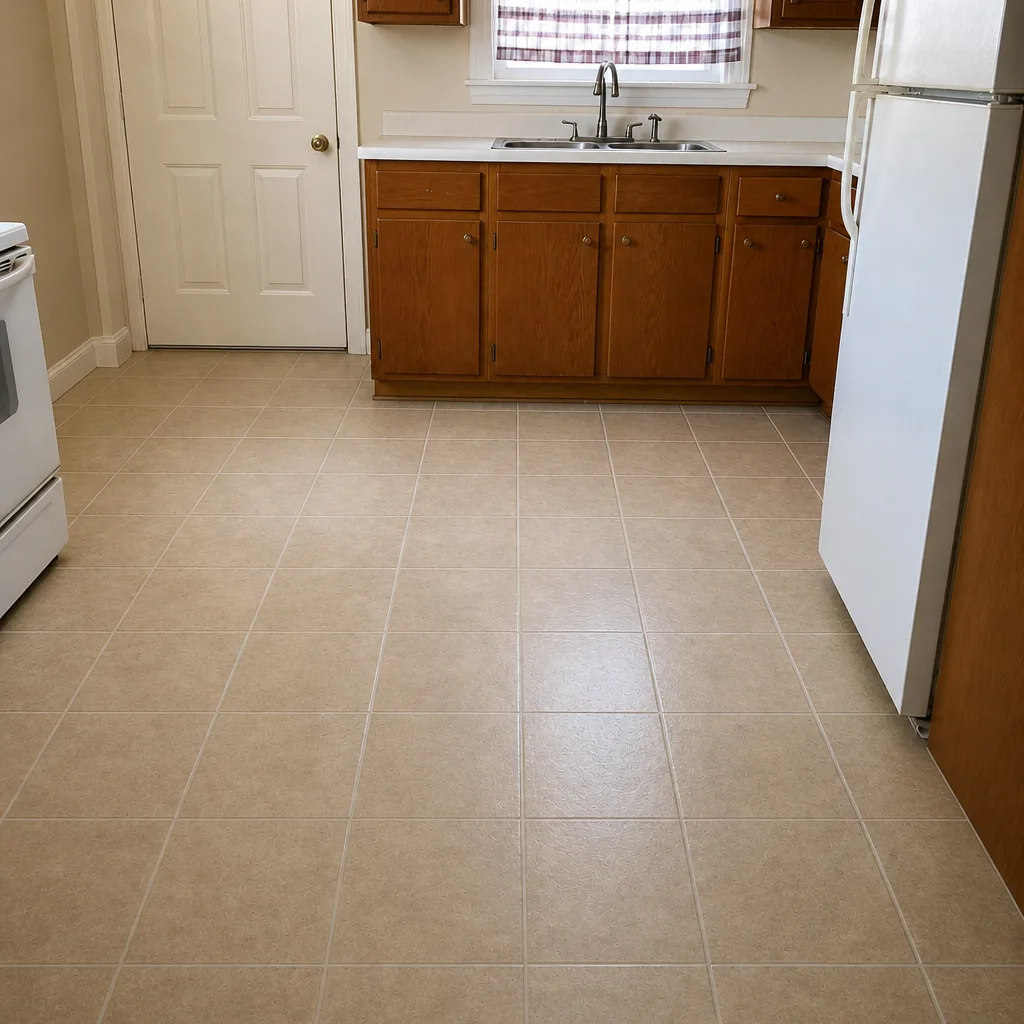 After
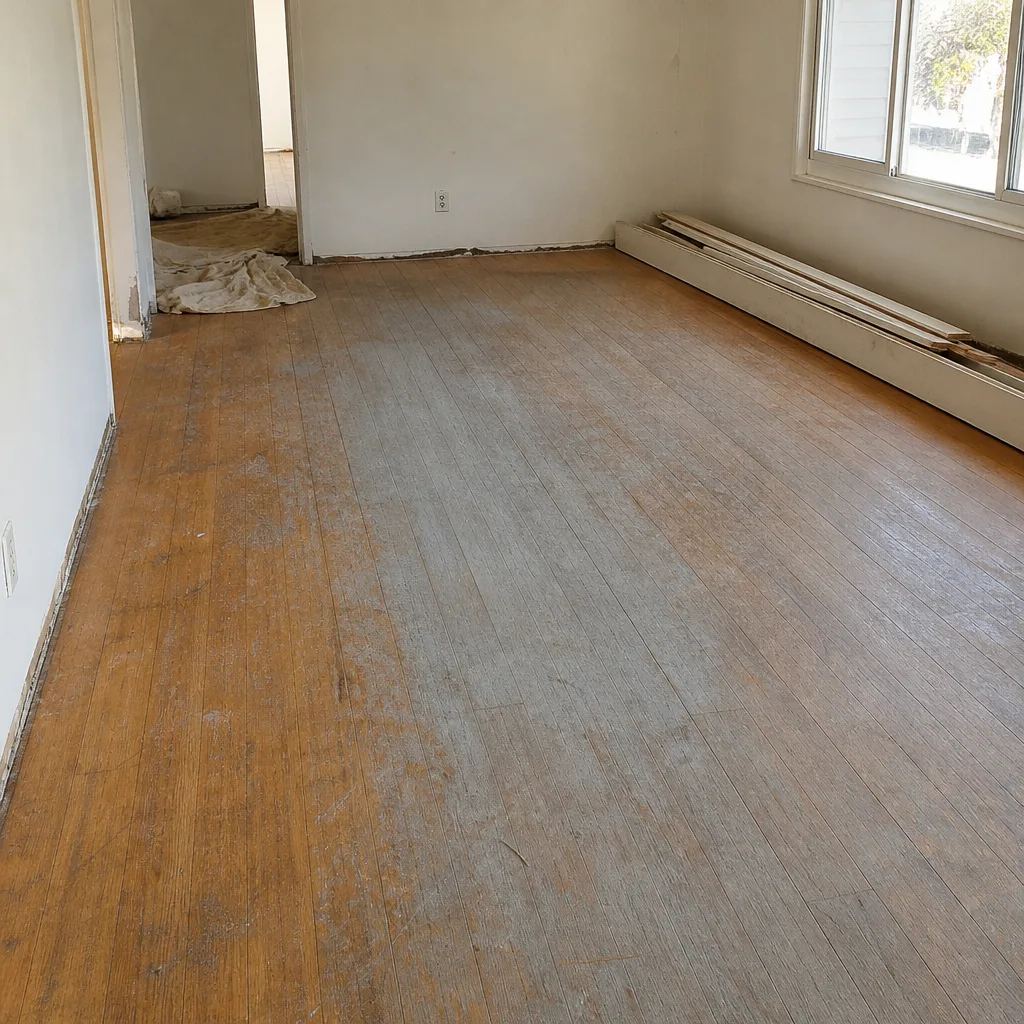 Before
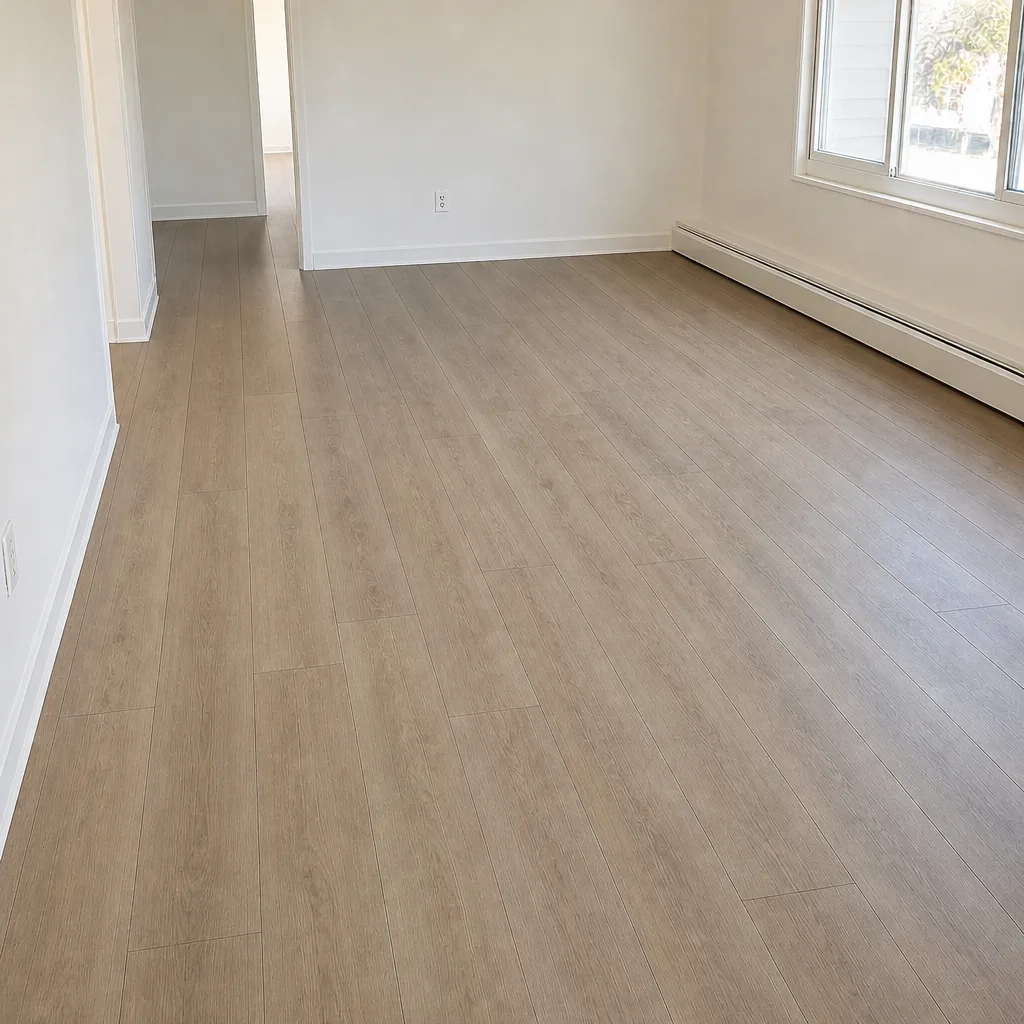 After
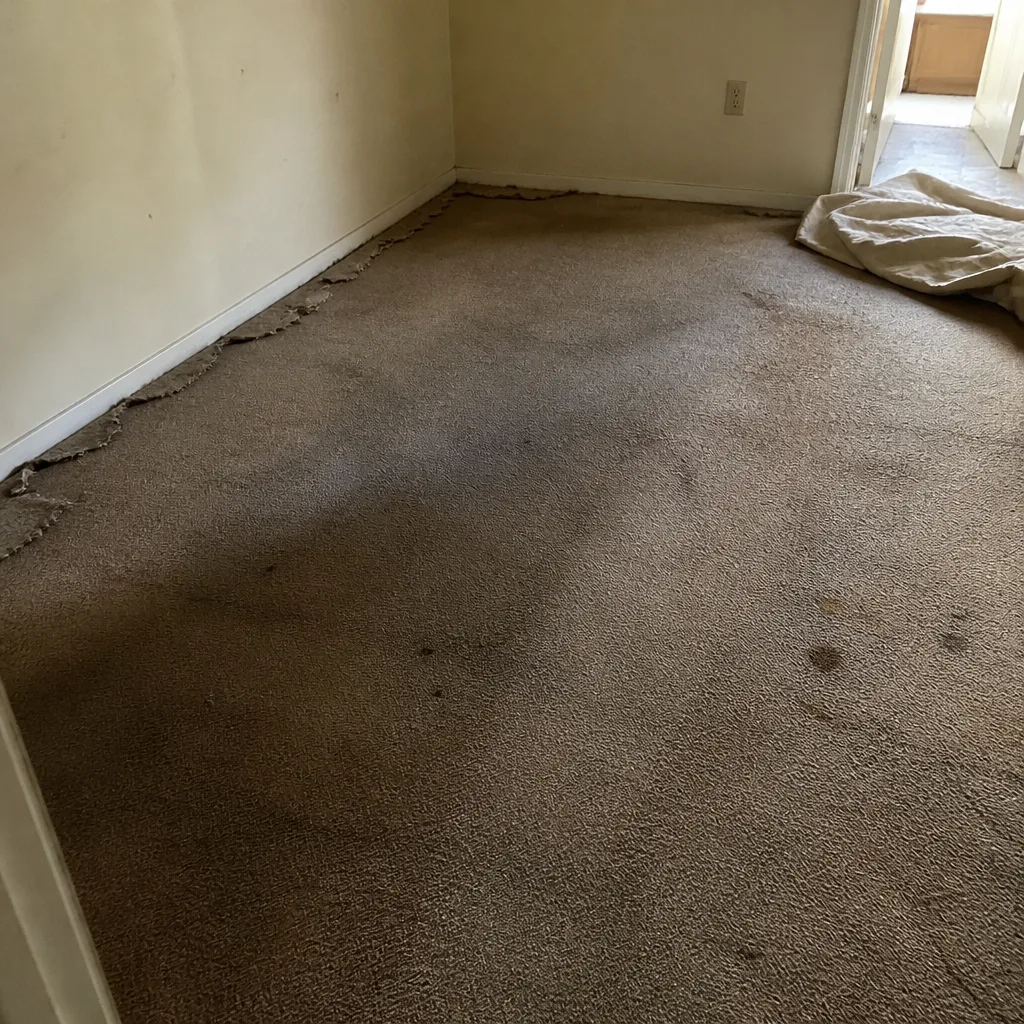 Before
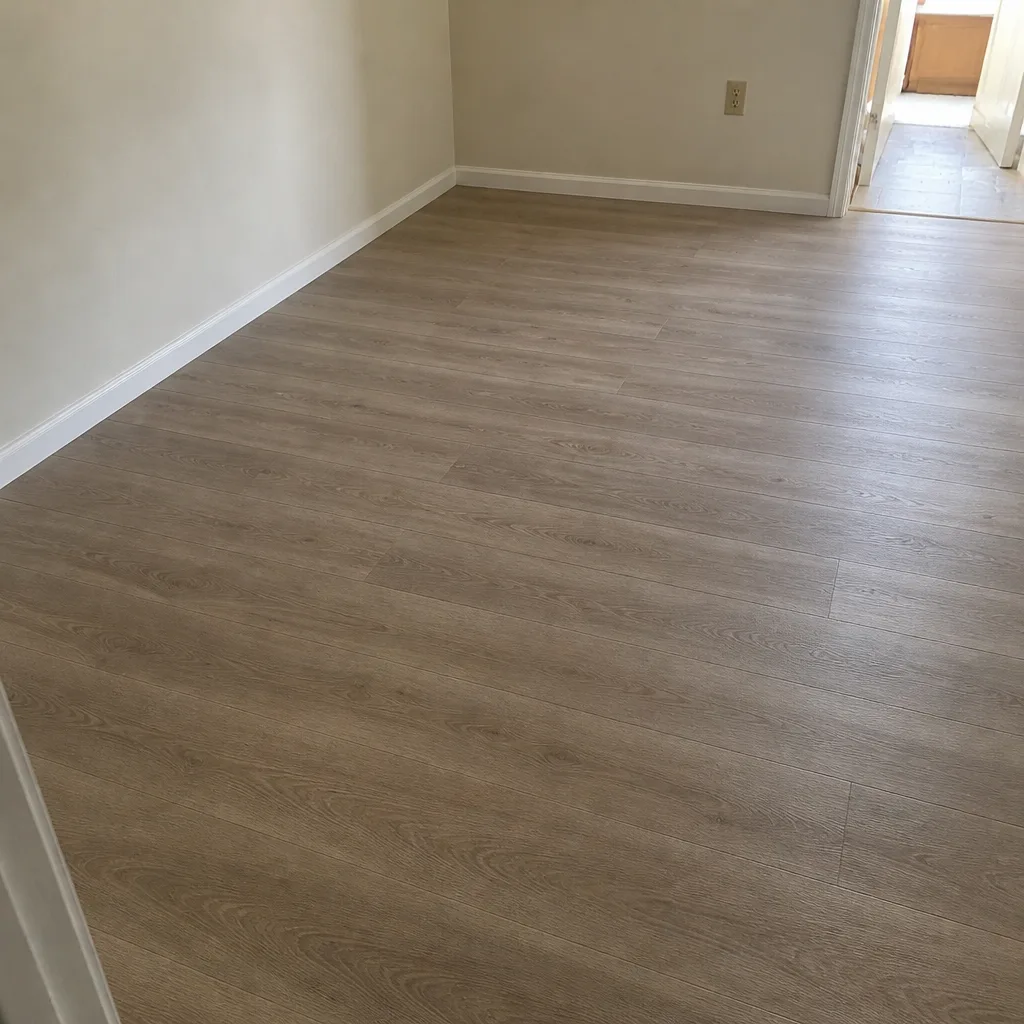 After